
Last updated November 21, 2026
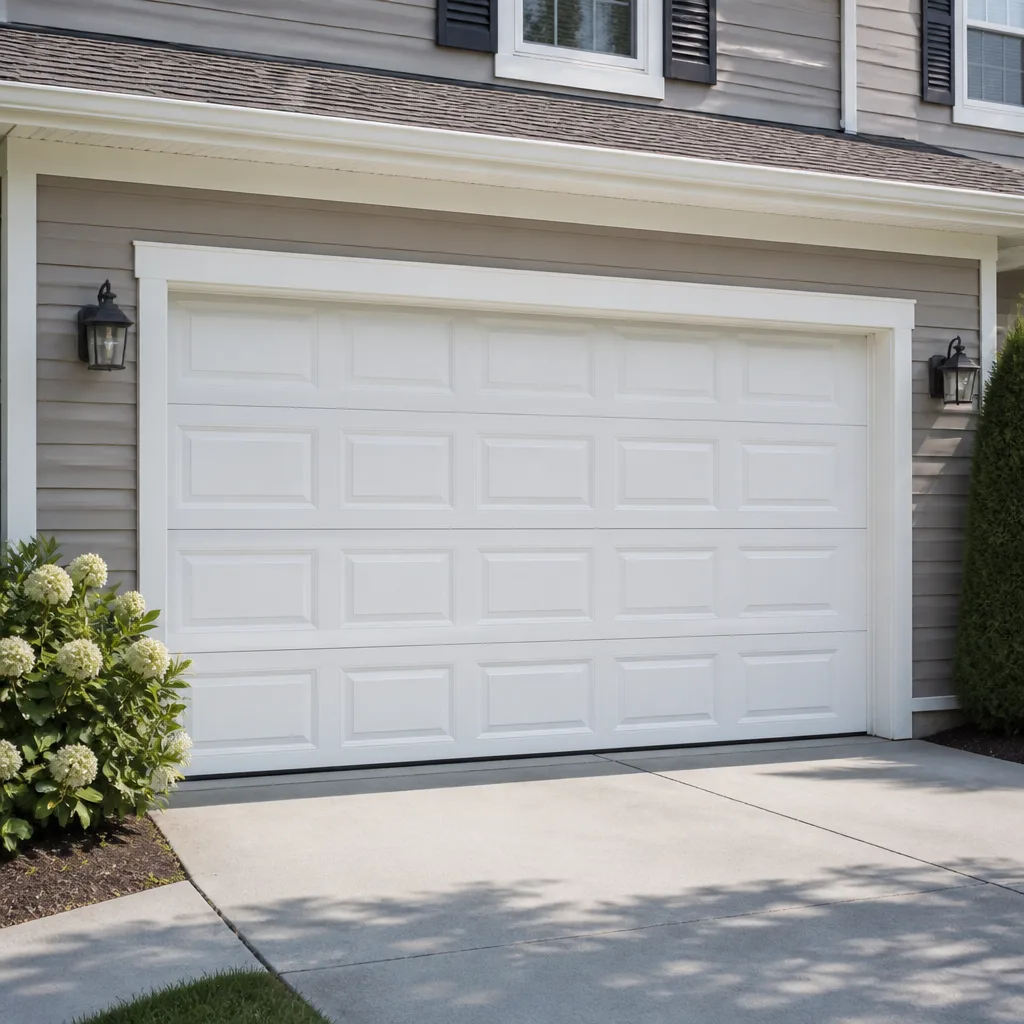 Raised-panel steel
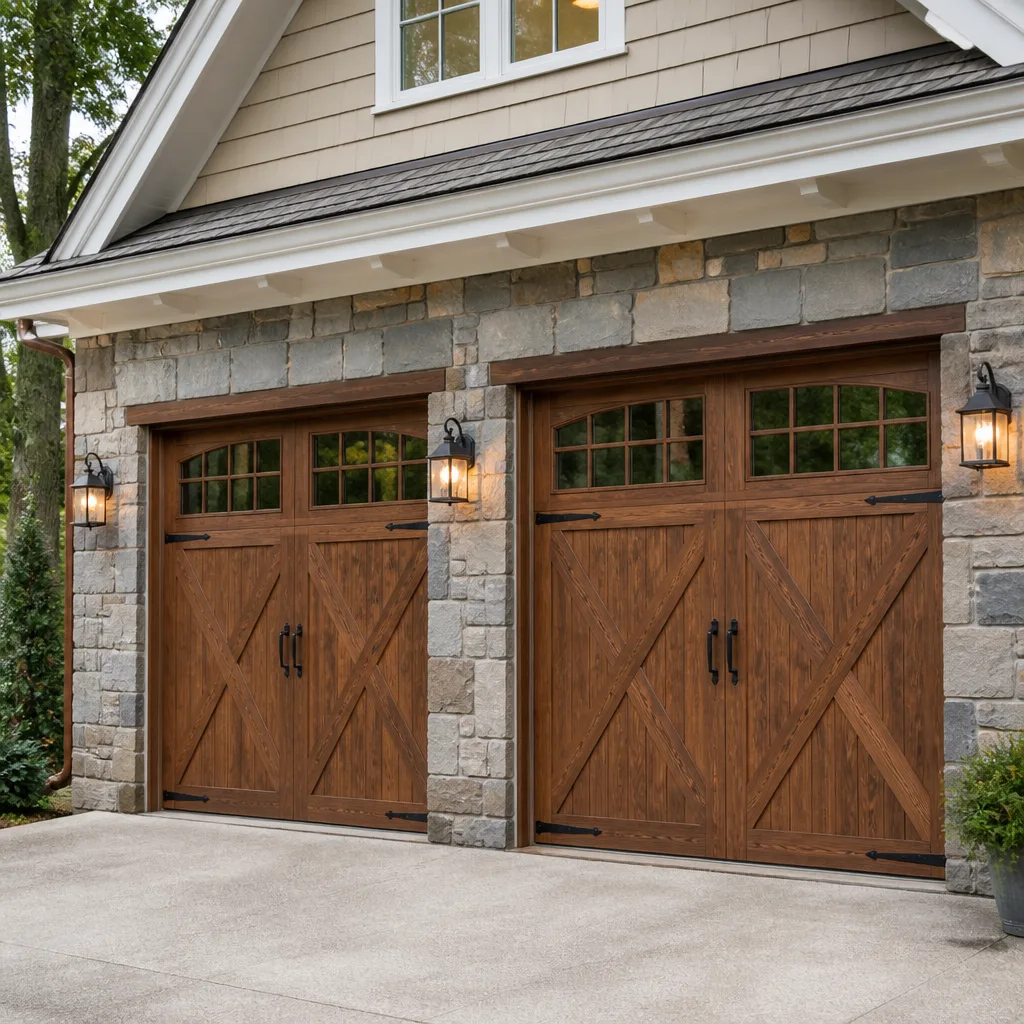 Carriage house
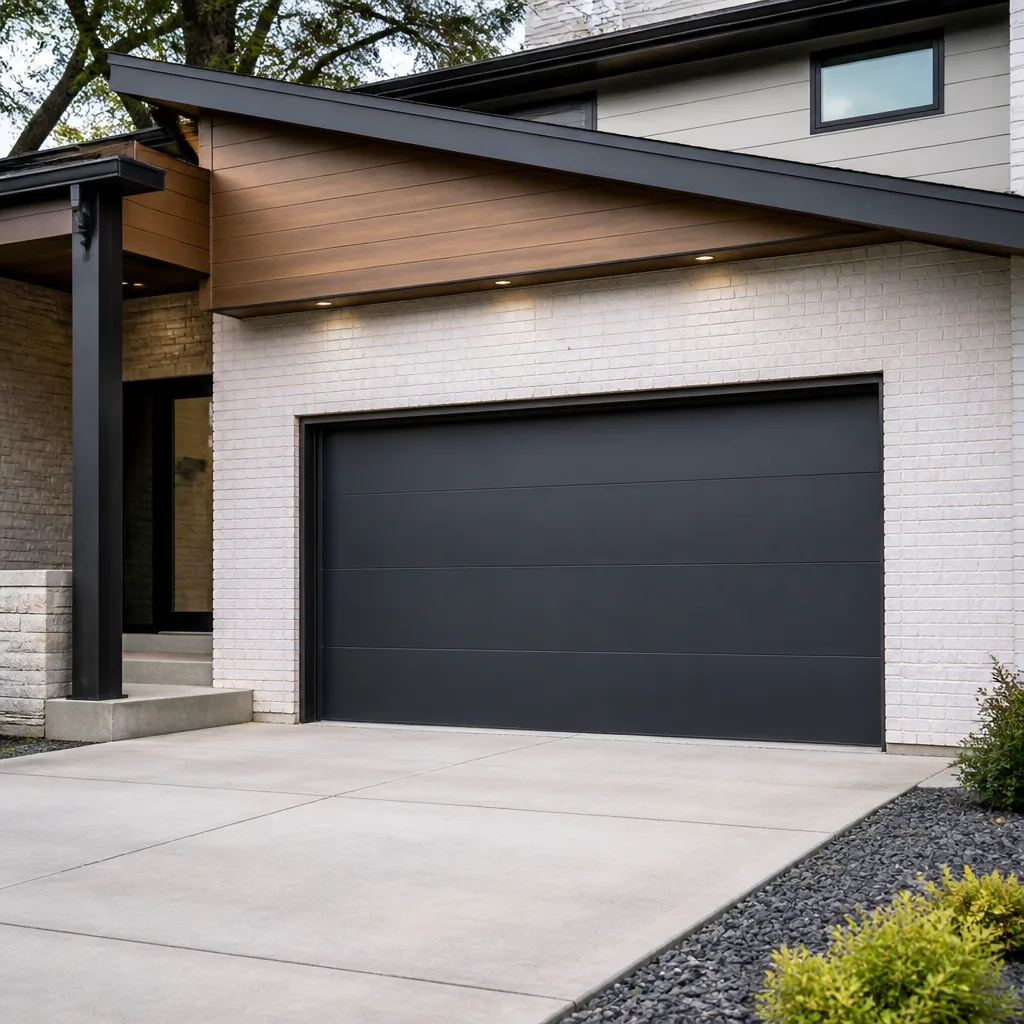 Modern flush
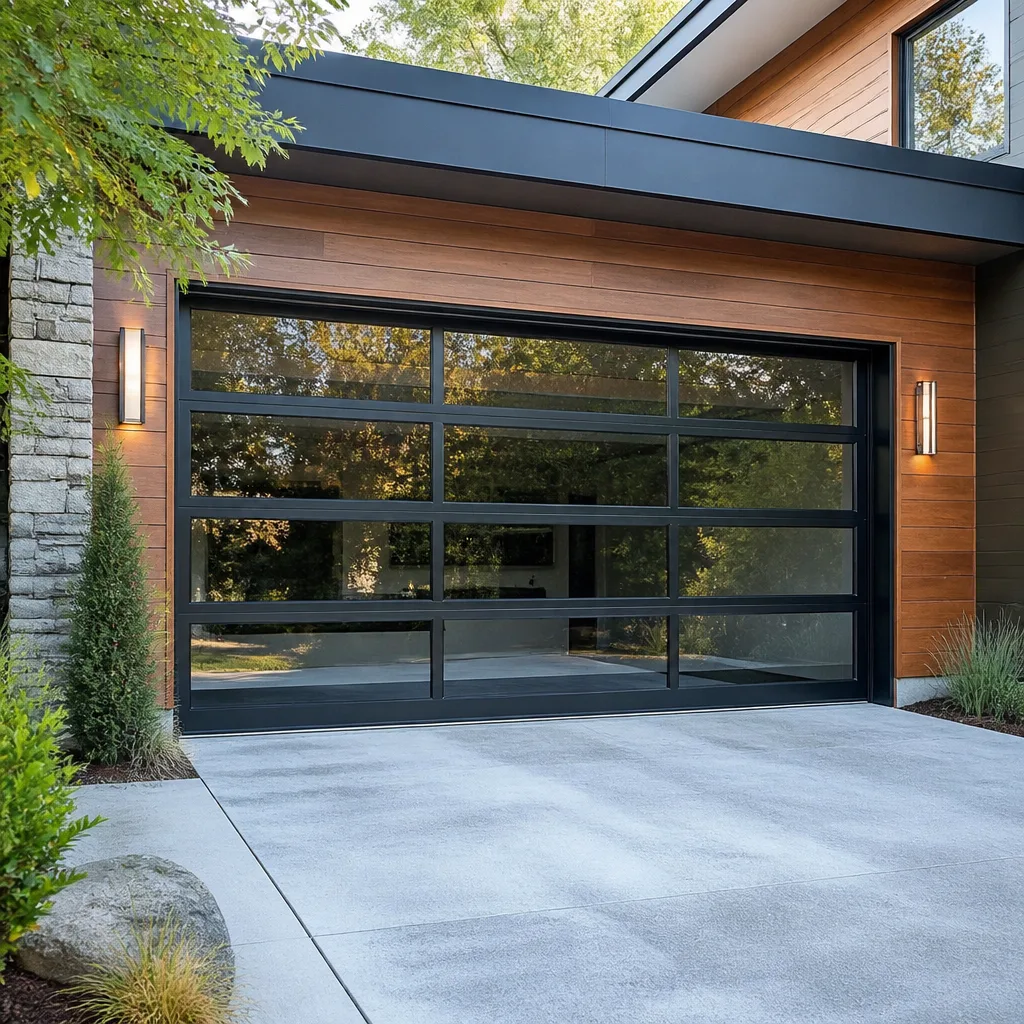 Full-view glass
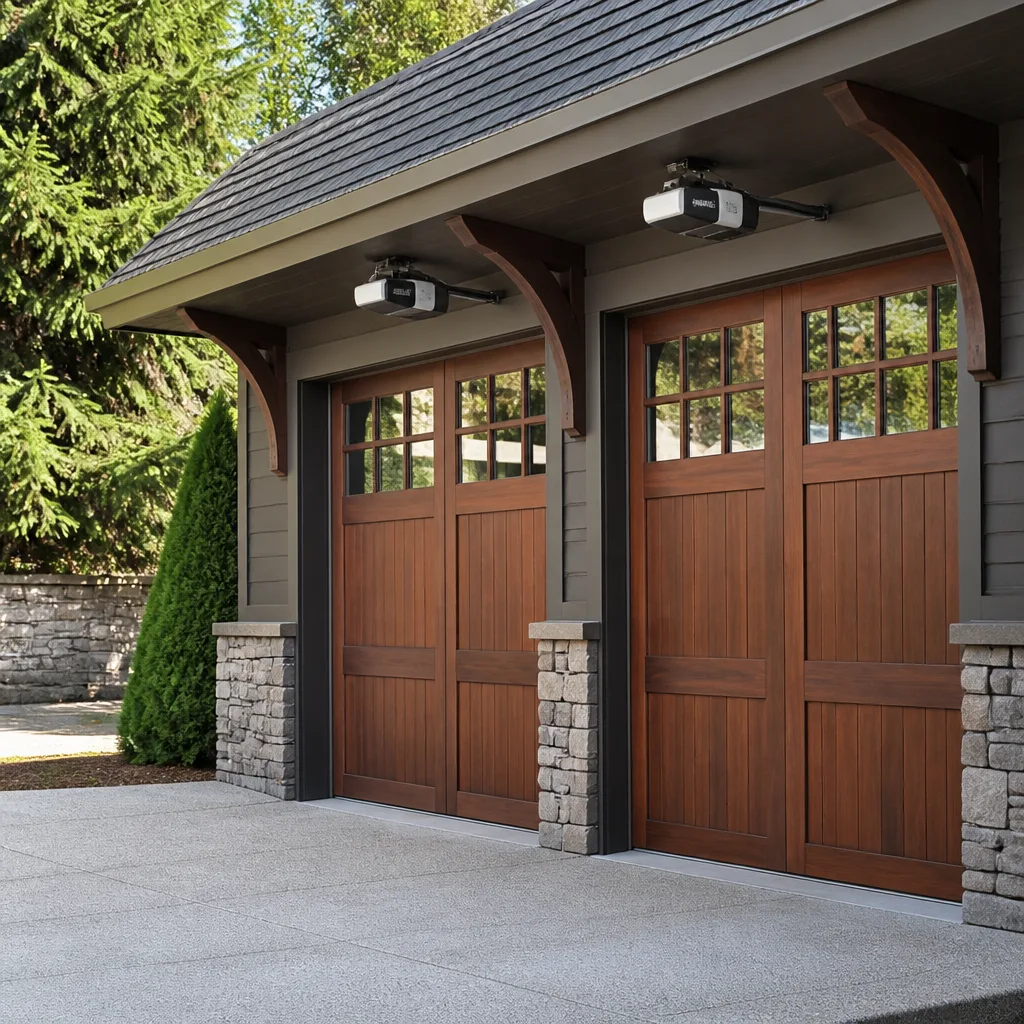 LiftMaster openers
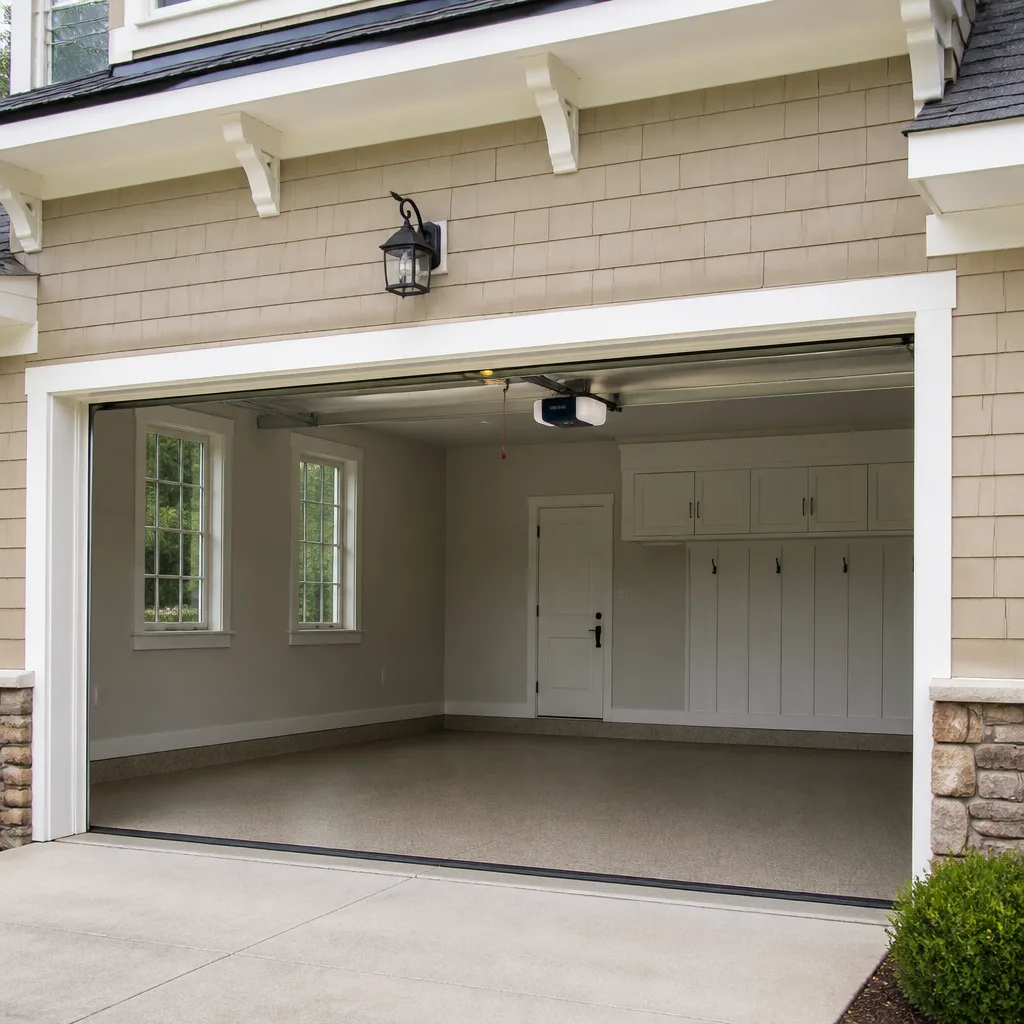 Chamberlain openers
Full 25-point door and opener safety check with every visit - springs, cables, rollers, tracks, and your LiftMaster or Chamberlain opener included
You get a price before we start. It does not change when the pro arrives.
Get your free estimateDIY vs Professional Garage Door: The South Boston Homeowner’s Decision Guide
Most garage door guides make torsion spring work look manageable. That’s the problem. The job that sends thousands of homeowners to the emergency room every year isn’t the one people attempt recklessly – it’s the one they attempt after watching a video that skipped the part where the spring is holding hundreds of pounds of stored force. Garage doors are the heaviest moving object in most homes, and in South Boston, with tight driveways and older housing stock, the margin for error is thinner than it looks. This guide separates the jobs you can genuinely handle from the ones you shouldn’t touch, and explains what DIY work costs you when it goes wrong.
Quick Answer
Lubrication, safety sensor alignment, and remote or keypad programming are safe to do yourself. Torsion springs, extension springs, cables, and structural track work are not – they involve stored mechanical force that can cause serious injury in a fraction of a second. For anything involving springs or cables in South Boston, hire a professional; the risk and the downstream repair cost both run higher than the job itself.
Styles & brands we work with
- Raised-panel steel
- Carriage house
- Modern flush
- Full-view glass
- LiftMaster openers
- Chamberlain openers
Table of Contents
- Which garage door jobs are safe to DIY?
- Why are garage door springs off-limits for DIY?
- How does South Boston housing change the DIY calculation?
- What does a DIY mistake actually cost?
- How does DIY work affect your warranty and insurance?
- Three questions to answer before you pick up a tool
- Can you handle opener and parts work yourself?
- When to call a professional
Which Garage Door Jobs Are Safe to DIY?
The safe list is shorter than most people expect. It covers maintenance and electronics – the parts of the system that don’t store lethal energy. The risky list covers everything mechanical.
Safe to handle yourself:
- Lubricating hinges, rollers, and the opener rail (use a garage door lubricant, not WD-40)
- Aligning safety sensors – most openers have an indicator light that tells you when the beam is broken
- Programming a remote, keypad, or Wi-Fi-enabled opener through the manual
- Clearing debris from the tracks with a damp cloth
- Tightening loose hinge bolts with a socket wrench
- Replacing the opener’s battery backup or light bulbs
Not safe to handle yourself:
- Torsion spring replacement or adjustment (the horizontal spring above the door)
- Extension spring replacement (the springs running along the tracks)
- Cable replacement, adjustment, or re-spooling
- Straightening or replacing bent track sections under load
- Panel replacement on a door that isn’t fully supported
- Bottom bracket work – the bracket where the cable attaches carries spring tension even when the door is down
That last one catches people. The bottom bracket looks like a simple metal piece, but if the spring is under tension and the cable is attached, loosening that bracket can release stored force. Professional technicians treat it with the same caution they treat the springs themselves. For anything in the second list, our garage door repair work starts with the door fully de-tensioned – the safe way to approach it.
Why Are Garage Door Springs Off-Limits for DIY?
Torsion springs are wound to counterbalance the weight of the door – typically several hundred pounds. When a spring is wound, it’s holding that force in a metal coil roughly the diameter of a broomstick. There’s no gradual release. If the winding bar slips or the wrong tool is used, the spring, the bars, or the cable can move fast enough that the person standing there has no chance to react. That’s why spring replacement across the U.S. leads to tens of thousands of emergency room visits annually, and why the injuries are usually to hands, arms, and faces.
In our experience, the homeowners who get hurt weren’t reckless. They read a guide, bought the winding bars, and followed the steps. What the guide didn’t account for was a rusted set screw, a spring that had already taken a partial wind, or a bottom bracket that was looser than it looked. Older hardware in South Boston’s two- and three-family homes makes those variables more common, not less.
What a specialist does differently:
- Measures the door’s weight and the existing spring’s wire gauge, inside diameter, and length to match the replacement exactly
- Fully de-tensions the system and secures the door before any hardware is touched
- Replaces springs in matched pairs when the second is near failure – a single-spring fix on a two-spring system usually means a return trip within months
- Re-tensions in measured quarter-turns and tests the door’s balance by hand with the opener disconnected
- Checks cables, drums, and bottom brackets for the wear that caused the failure
All of that is why spring repair is a standard service for us, not something we hand off. If your spring is gone, the door shouldn’t be operated at all – even manually – because the door’s full weight is on the opener and cables. Call (844) 662-2561. We answer 24/7. Fast dispatch from 7am to 7pm, Sunday through Friday.
How Does South Boston Housing Change the DIY Calculation?
South Boston isn’t a suburban subdivision with wide driveways and detached garages. The housing stock – triple-deckers, rowhouses, converted two-families, older single-families on tight lots – puts constraints on garage work that most DIY guides don’t address. A job that’s borderline feasible in a wide suburban driveway becomes genuinely unwise here.
Four local factors shift the calculation:
- Driveway workspace. A lot of South Boston driveways are barely wide enough for one car, and some garages open onto an alley or a shared way. There’s no room to lay out panels, stage a ladder safely, or step back from a door that’s stuck halfway. Working in that space with a loaded spring is how people get pinned.
- Shared walls. Rows of attached garages mean a door failure or a panel slip can affect a neighbor’s structure. Removing and replacing a door panel without enough clearance risks contact with the shared wall, and that’s a repair conversation with a neighbor you don’t want.
- Older hardware configurations. Doors installed decades ago often have extension springs, modified tracks, or non-standard panel sizes. Replacement parts aren’t sitting on a shelf at a big-box store, and guessing at compatibility is how people end up with a door that binds or won’t close flush.
- Low-clearance situations. Headroom above the door in older South Boston garages is sometimes tighter than modern openers and tracks are designed for. A replacement opener or track section that fits a newer garage may not fit yours without modification.
None of this means South Boston homeowners shouldn’t maintain their own doors – routine lubrication and sensor checks are still worth doing. It means the jobs where a mistake is expensive or dangerous are more dangerous here than a generic video accounts for.
What Does a DIY Mistake Actually Cost?
The most common DIY mistake is a mismatched spring. It’s also the most expensive, because it tends to fail in stages and take other components with it.
A spring that’s the wrong wire gauge, the wrong length, or only one of a pair being replaced puts uneven load on the system. The door rides crooked. The opener works harder. The cables take stress they weren’t designed for. Then one day the door comes down hard, or the opener’s gear strips, or a cable snaps and whips the drum. What would have been a spring replacement is now springs, cables, drums, and an opener.
Here’s how the cost cascade usually looks:
- Wrong spring only: the door doesn’t balance, opener strains, and the spring fails early – so the repair gets done twice
- Spring plus cable damage: a snapped cable can damage the drum, the bracket, and the panel it contacts
- Opener damage: a door that’s too heavy for the opener burns out the gear, the motor, or the logic board
- Panel damage: a door that drops or comes off track dents or bends panels that then need replacing
- Track damage: a door that comes off track often bends the track on the way down
We’ve seen the cascade often enough to know it’s predictable. The original professional job is almost always the cheaper path once you account for the second repair. Our garage door opener repair calls frequently start with a strained opener that traces back to a DIY spring fix.
How Does DIY Work Affect Your Warranty and Insurance?
This is the part most guides skip. DIY work on a garage door can void the door manufacturer’s warranty and give your homeowners insurance a clean reason to deny a claim. In Massachusetts, the details depend on your policy and your door’s warranty terms, but the pattern is consistent.
What voids a warranty:
- Installing a spring or part that isn’t the manufacturer’s specified component
- Modifying tracks, brackets, or structural hardware from the original installation
- Winding a torsion spring past the manufacturer’s specified tension
- Using a replacement panel that doesn’t match the door’s original model
Door manufacturers like Clopay and Amarr specify the exact spring and hardware for each door model. A generic spring from a hardware store, even one that “looks the same,” isn’t the specified component – and if the door fails, the warranty conversation is over before it starts.
What insurance typically doesn’t cover: damage that results from incorrect installation or repair. If a DIY spring fails and damages the door, the opener, or a neighbor’s property through a shared wall, the claim often gets denied on the grounds that the work wasn’t done by a professional. Your policy language is the final word, but that’s the typical outcome. The insurance side alone is a strong argument for professional work on any job that touches the door’s mechanical system.
Three Questions to Answer Before You Pick Up a Tool
Before you start any garage door job, answer these three. If any answer points toward professional work, that’s the answer.
- What does the job actually involve? Lubrication, sensor alignment, and remote programming are DIY territory. Springs, cables, tracks, brackets, and panel removal are not. Be honest about which category you’re in – “replace the spring” is one line in a manual, but it’s the highest-risk single job on the entire door.
- What’s your actual skill level, not your confidence level? Confidence and skill aren’t the same thing. If you haven’t used a socket wrench or a winding bar before, a garage door spring is not the project to learn on. If you’ve done mechanical work before, you still shouldn’t practice on a torsion spring – the failure mode is injury, not a stripped bolt.
- What does it cost if you get it wrong? Add up the realistic worst case: a damaged door, a burnt-out opener, a bent track, an injury, a voided warranty, a denied insurance claim. If that number is larger than the professional job, the math answers the question for you.
For most South Boston homeowners, the honest answer to all three questions lands on professional work for anything mechanical. The questions help make that clear before you’ve spent money on the wrong path.
Can You Handle Opener and Parts Work Yourself?
Opener work splits into two categories: safe and borderline. Programming a remote, setting travel limits, and pairing a Wi-Fi opener to your phone are all safe – the opener’s low-voltage logic handles it and a mistake just means trying again. Swapping a logic board, replacing a gear, or installing a new opener is a different story, mostly because of the overhead work and the door’s weight.
Most openers built in the last decade are from a handful of manufacturers. LiftMaster and Chamberlain share a platform, and Genie has its own. That matters for parts – a LiftMaster logic board isn’t a Genie logic board, and a universal replacement won’t behave the same way. The manufacturers build in brand-specific diagnostics and safety features, and an opener that isn’t matched to the right part behaves unpredictably. When the opener’s a LiftMaster or Chamberlain, we work with that system directly. When it’s Genie, we do the same. The point is diagnosing the actual brand, not guessing.
Where to draw the line:
- Safe: remote programming, keypad setup, travel limit adjustment, force adjustment per the manual, battery replacement
- Borderline: installing a new photo-eye sensor (safe electrically, can be fiddly mechanically)
- Professional: opener replacement, gear and sprocket replacement, logic board replacement, belt or chain replacement
Opener work is up high, often on a ladder in a tight garage, with a door above your head. For South Boston garages with low clearance or a tight footprint, that’s a real fall risk. Our garage door installation work covers full opener and door replacement when the system is past the point where repair makes sense, and we can tell you which side of that line you’re on after a look.
When to Call a Professional
Call a professional when the job involves springs, cables, tracks, brackets, or panel removal – full stop. Call when the door is crooked, when it won’t close flush, when the opener strains or reverses on its own, when you hear a snap from the spring area, or when the door has come off track. Call when the door is older and you don’t know the last time the springs or cables were checked. And call when you’re not sure which category a job falls into, because the wrong guess on a garage door is expensive.
Garage Door Repair South Boston offers free estimates in South Boston – call (844) 662-2561. We answer 24/7. Fast dispatch from 7am to 7pm, Sunday through Friday. Our technicians have up to 10 years of experience on LiftMaster, Chamberlain, Genie, Clopay, Amarr, Wayne Dalton, Craftsman, and Raynor equipment, and we quote the price before any work starts so the number you agree to is the number you pay.
See the difference
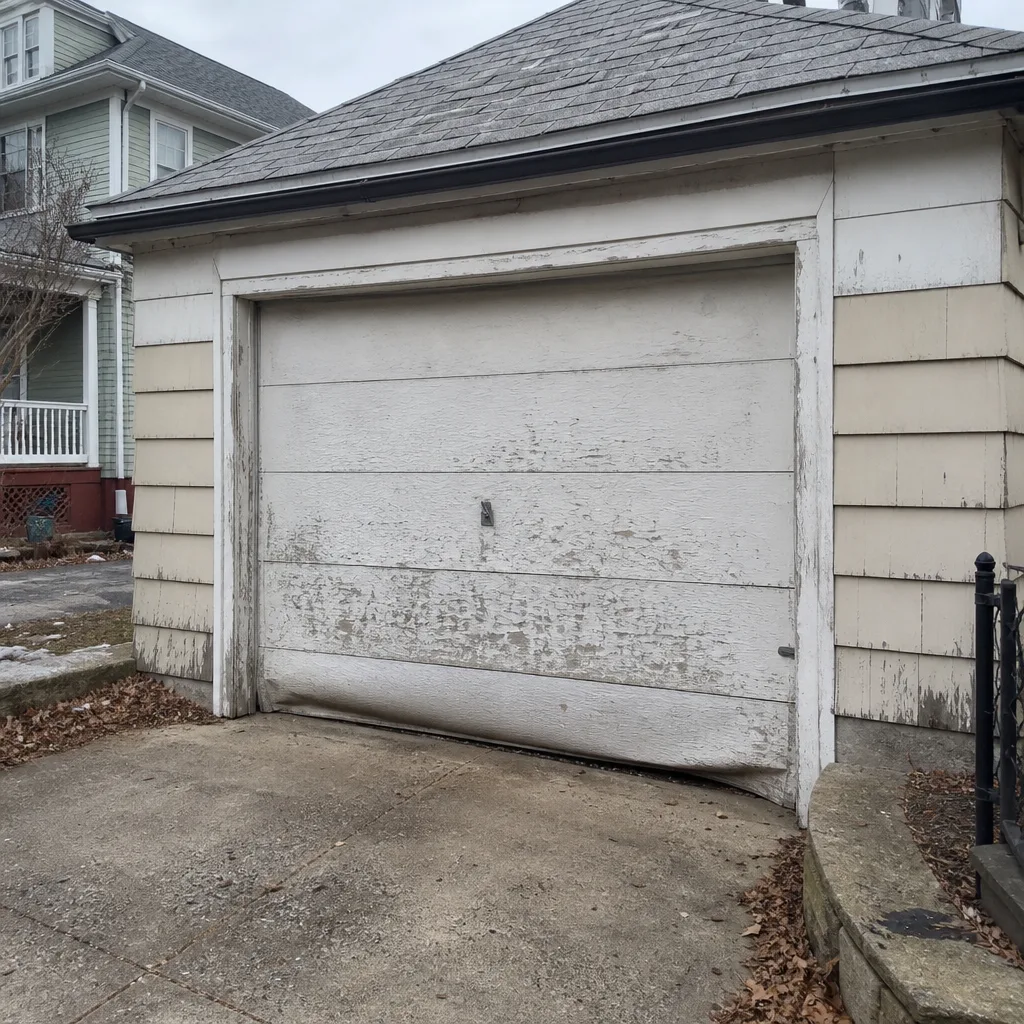 Before
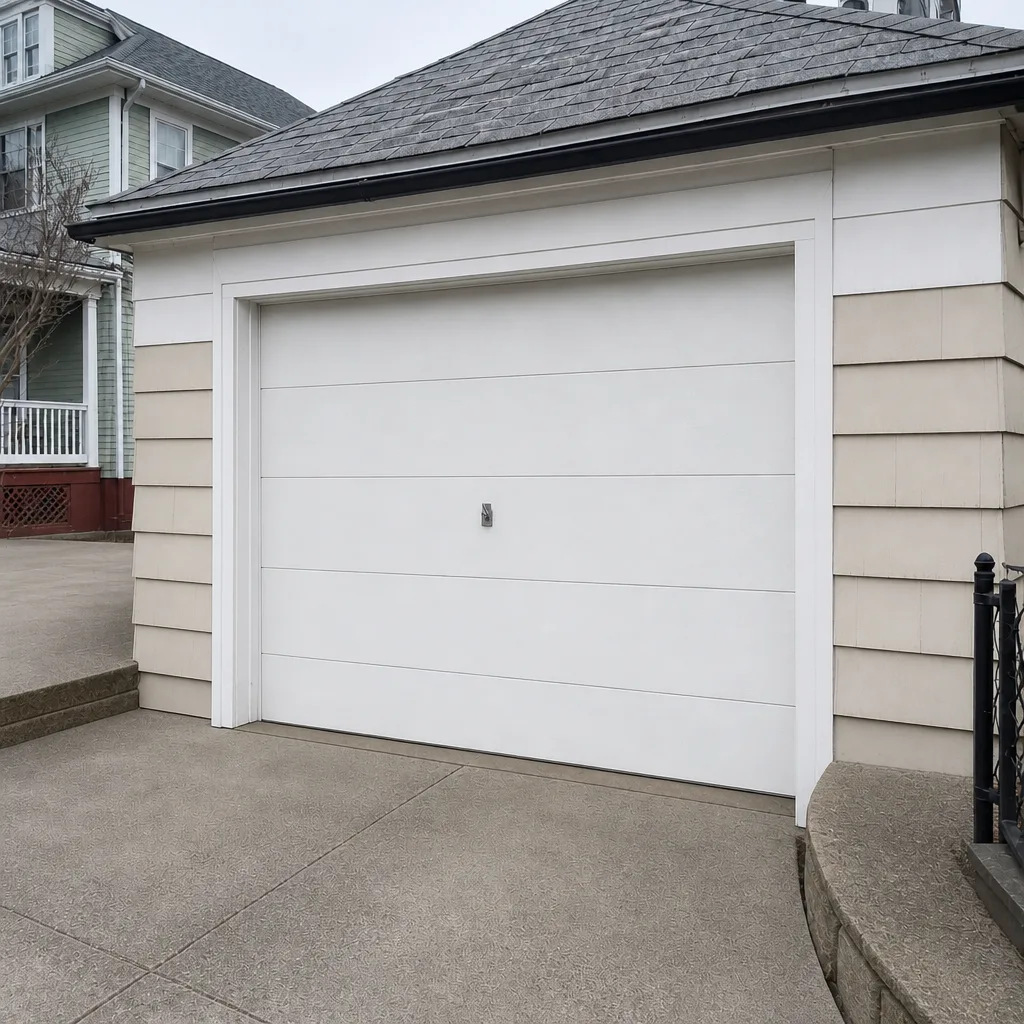 After
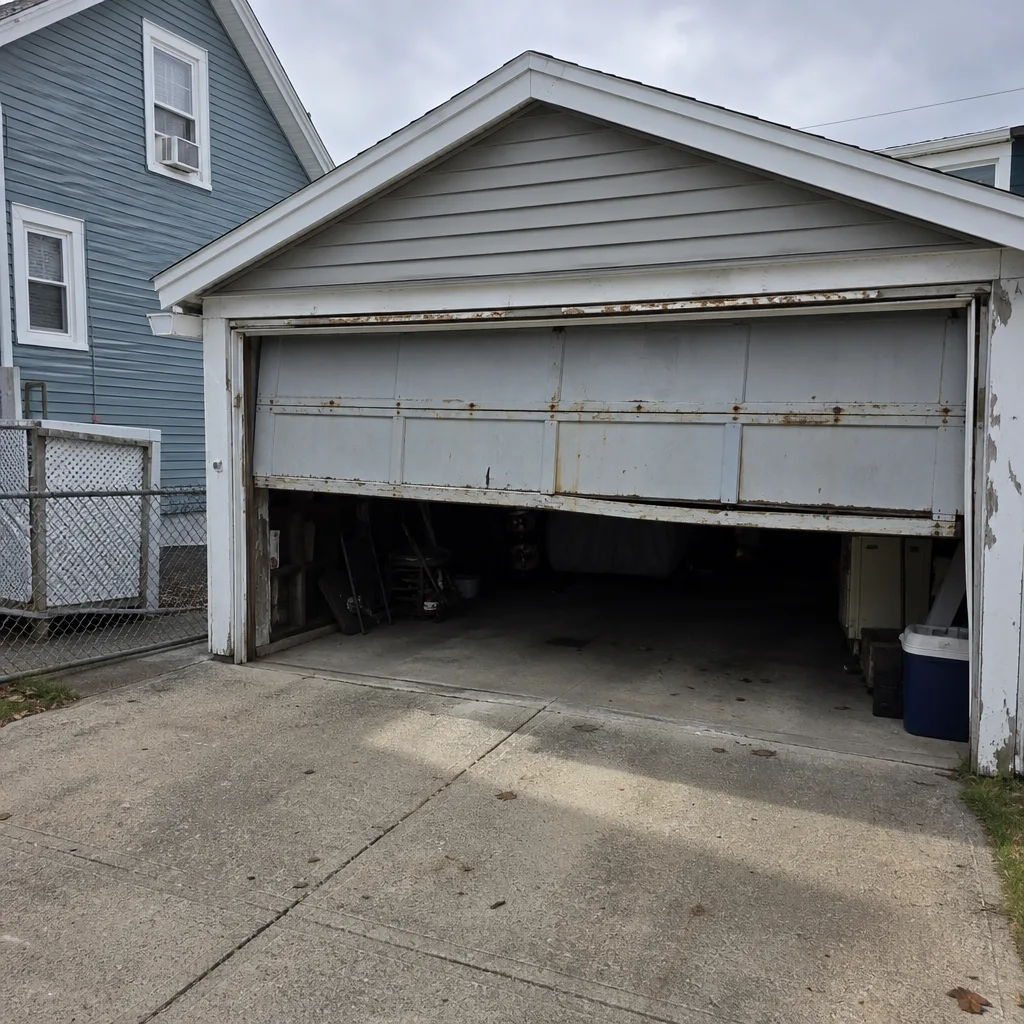 Before
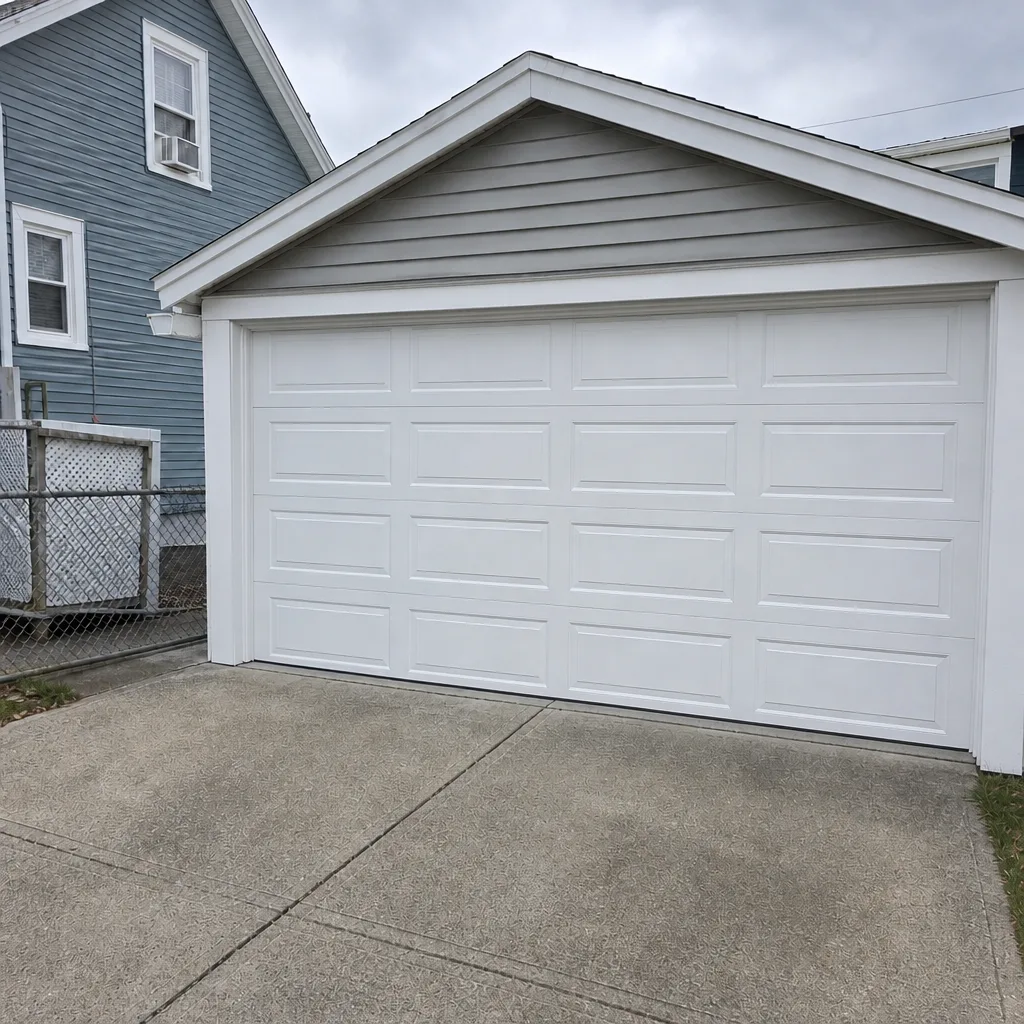 After
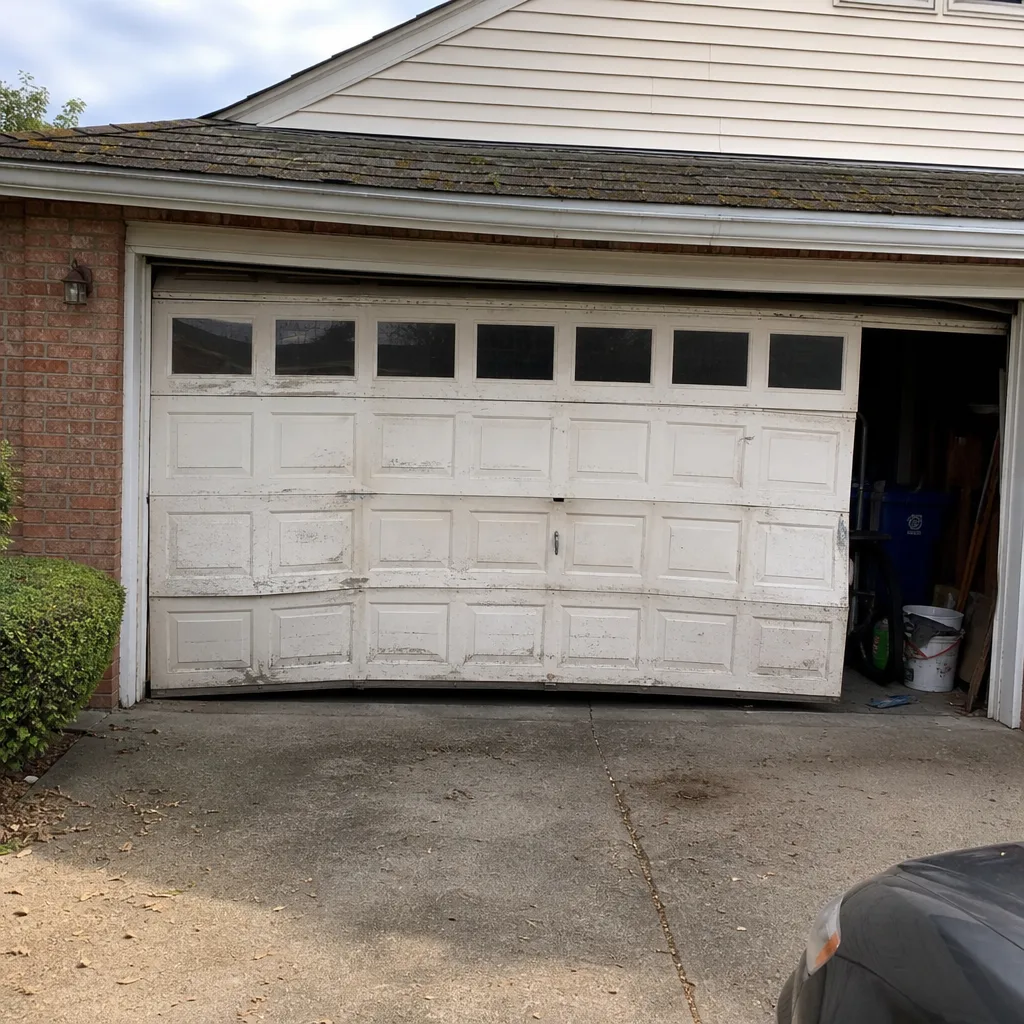 Before
 After
Common Mistakes to Avoid
- Replacing one spring when both are worn. Springs wear at the same rate; replacing only the failed one usually means the second fails within months, and you pay for two service visits instead of one.
- Using the wrong spring size. Springs are matched to the door’s weight by wire gauge, inside diameter, and length. A “close enough” spring puts uneven load on the door and opener, and the failure cascade that follows costs more than the original job.
- Operating the door with a broken spring. The opener and cables carry the door’s full weight without the spring, and that’s how openers burn out and cables snap. Leave the door down and call.
- Winding a torsion spring without the right winding bars. Screwdrivers and sockets slip under tension. The springs are designed to be wound with purpose-made bars, and using anything else is the leading cause of spring-related injuries.
- Assuming the warranty covers a DIY repair. Clopay, Amarr, and other manufacturers specify exact components; an unapproved part voids the warranty on the door, and insurance claims for DIY-caused damage are routinely denied.
- Working in a South Boston driveway without checking clearance. Tight driveways and shared walls leave little room to step back from a loaded door. If you can’t safely stand clear of the door while it’s under tension, the job isn’t a DIY job in that space.
- Ignoring a door that reverses or strains. A door that reverses on its own or sounds strained is telling you something is out of balance. That’s a diagnostic problem, not a “keep using it and see” problem.
Frequently Asked Questions
Spring repair is quoted per job, and the written estimate you get before work starts is the price – we don’t quote a number over the phone and change it on arrival. A typical spring replacement covers the spring, the labor, and a balance check. Call (844) 662-2561 for an exact quote – estimates are free.
No – torsion and extension springs are under extreme tension and shouldn’t be replaced by homeowners, even with a guide and the right tools. The springs hold hundreds of pounds of stored force, and a slip can cause serious injury in a fraction of a second. The right call is a specialist. Call (844) 662-2561 – estimates are free.
Same-day service is available for many repairs, and fast dispatch runs from 7am to 7pm, Sunday through Friday (we’re closed Saturday). We answer the phone 24/7, so call (844) 662-2561 and we’ll tell you what’s available.
No – the price is quoted and agreed before any work starts. The written estimate is based on what we find when we look at the door, spring, or opener, and that’s the number you pay. Call (844) 662-2561 for a free estimate.
The local professionals we connect you with are licensed and insured as Massachusetts requires, and our technicians have up to 10 years of experience on the major brands. If you want to confirm specifics before booking, ask when you call (844) 662-2561.
We work throughout South Boston, including the neighborhoods around the waterfront, the triple-deckers, rowhouses, and older single-families that make up most of the housing here. Tight driveways and low-clearance garages are the norm, and we plan the job around them. Call (844) 662-2561 – estimates are free.
The Bottom Line
The DIY-versus-professional question has a clear answer on a garage door. Routine maintenance – lubrication, sensor alignment, remote programming – is yours to handle. Springs, cables, tracks, and structural work aren’t, and in South Boston the constraints of tight driveways, shared walls, and older hardware push more jobs into the professional column than they would in a suburban setting. The cost of a DIY mistake is usually a second repair that costs more than the original job, plus a voided warranty and an insurance claim that probably won’t go through. When the job touches the door’s mechanical system, have a specialist look at it first. Garage Door Repair South Boston offers free estimates in South Boston – call (844) 662-2561. We answer 24/7. Fast dispatch from 7am to 7pm, Sunday through Friday. The price is quoted and agreed before any work starts. Explore our main Garage Door Repair South Boston services to see the full scope of what we handle.
Written by the team at Garage Door Repair South Boston.