
Last updated November 21, 2026
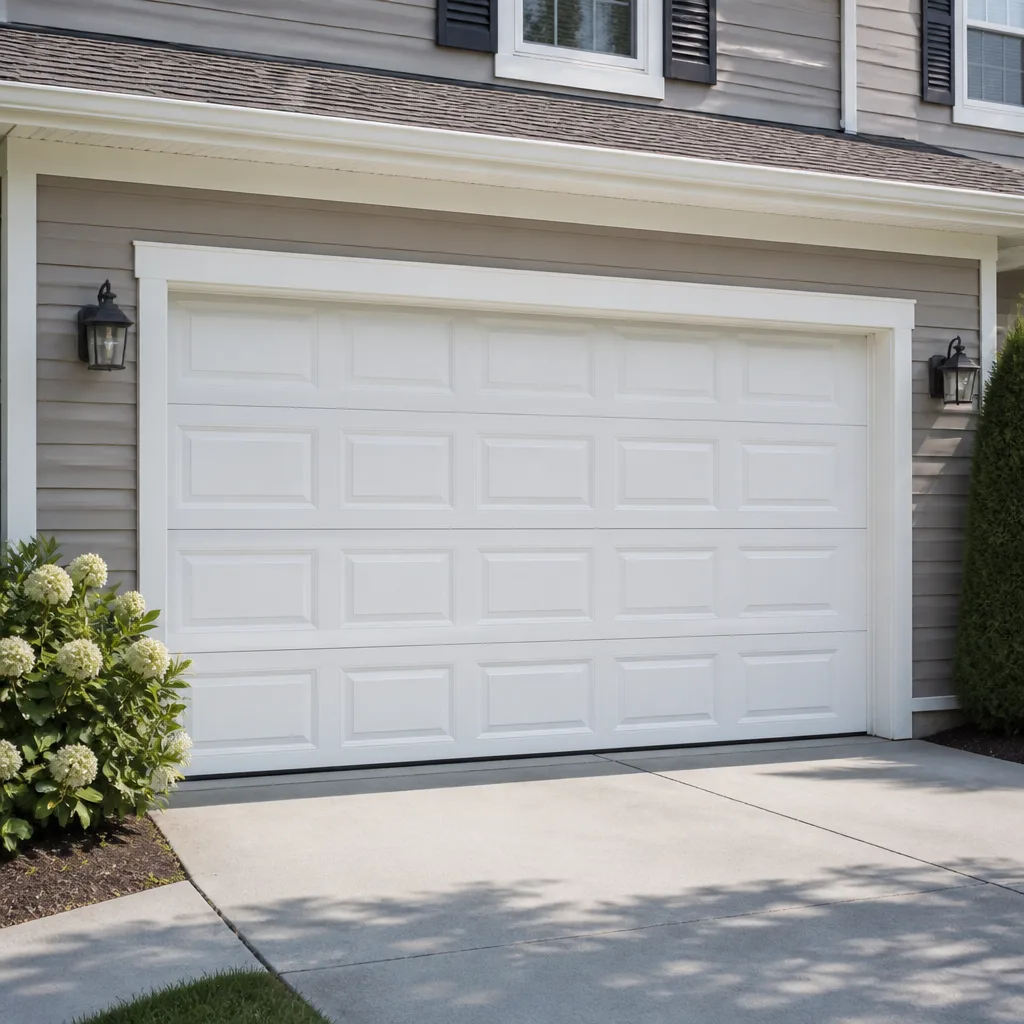 Raised-panel steel
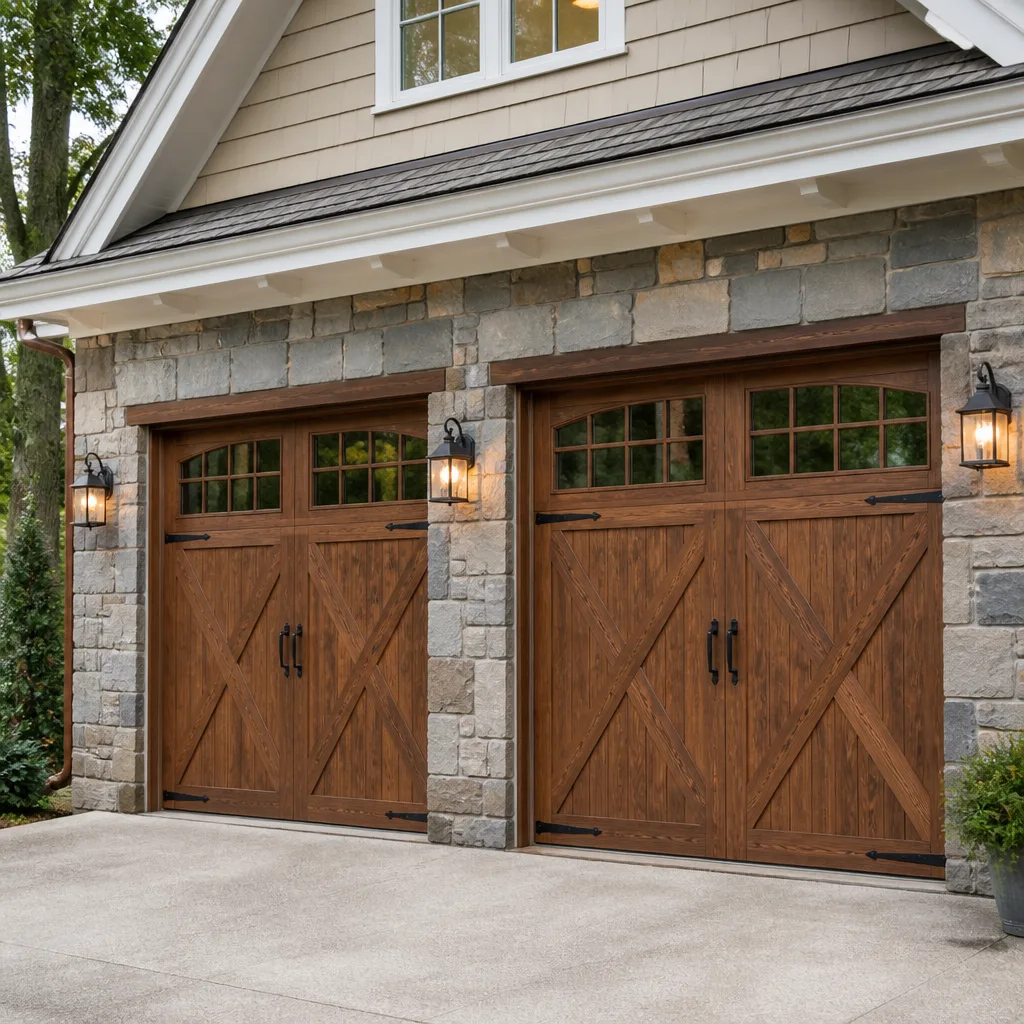 Carriage house
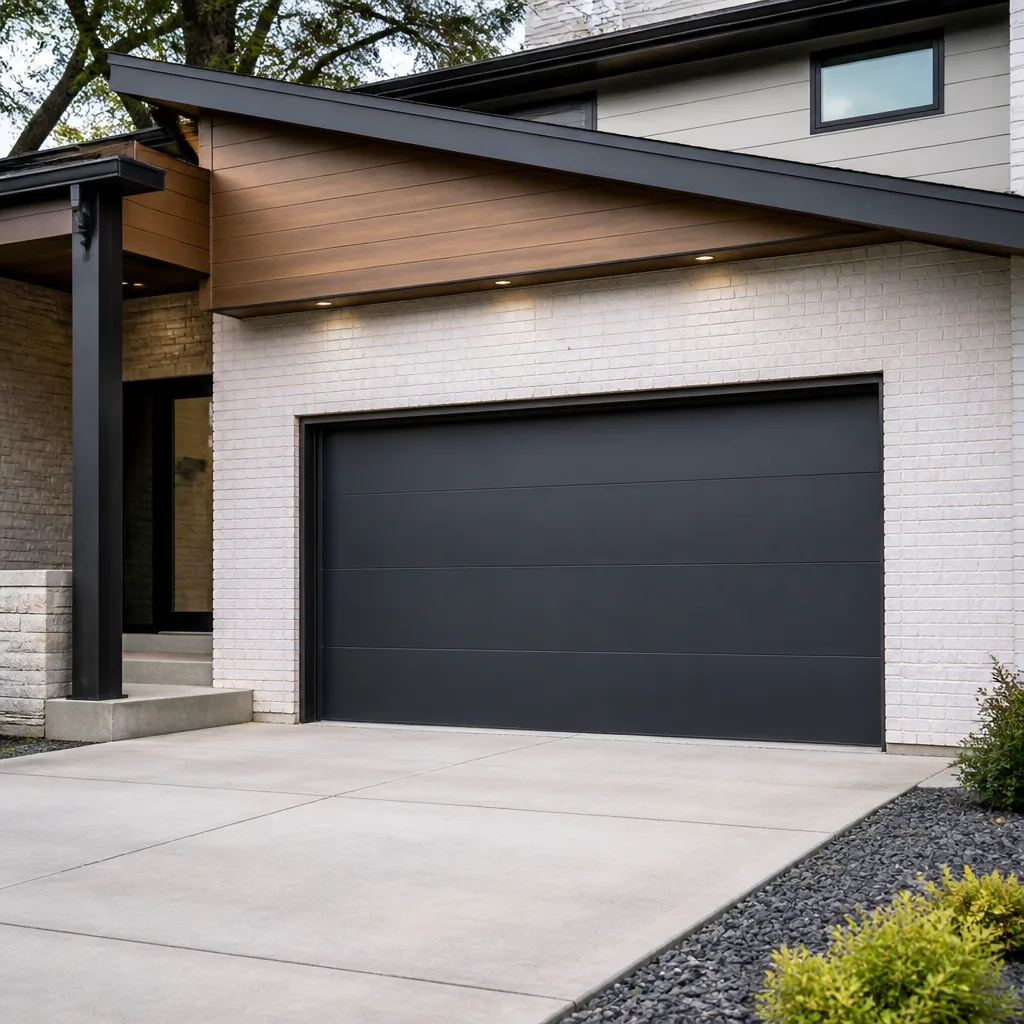 Modern flush
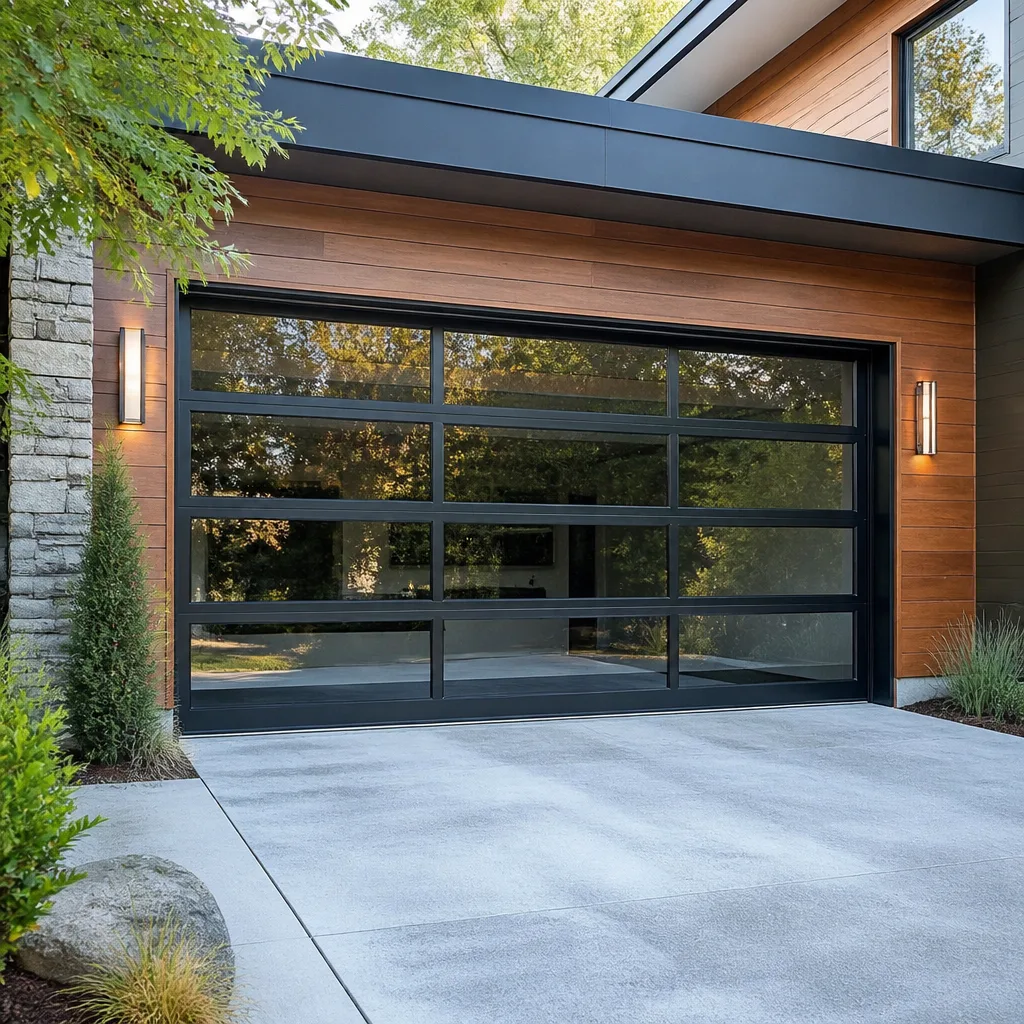 Full-view glass
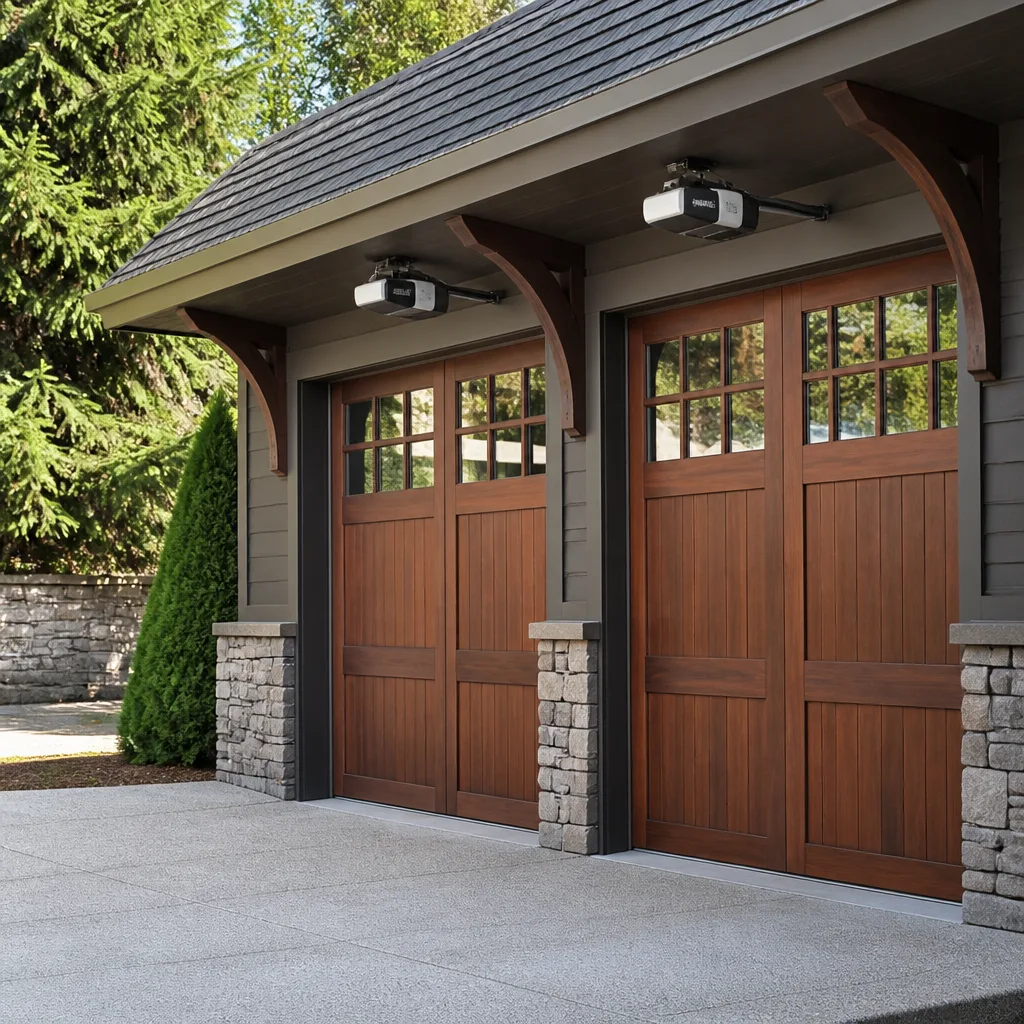 LiftMaster openers
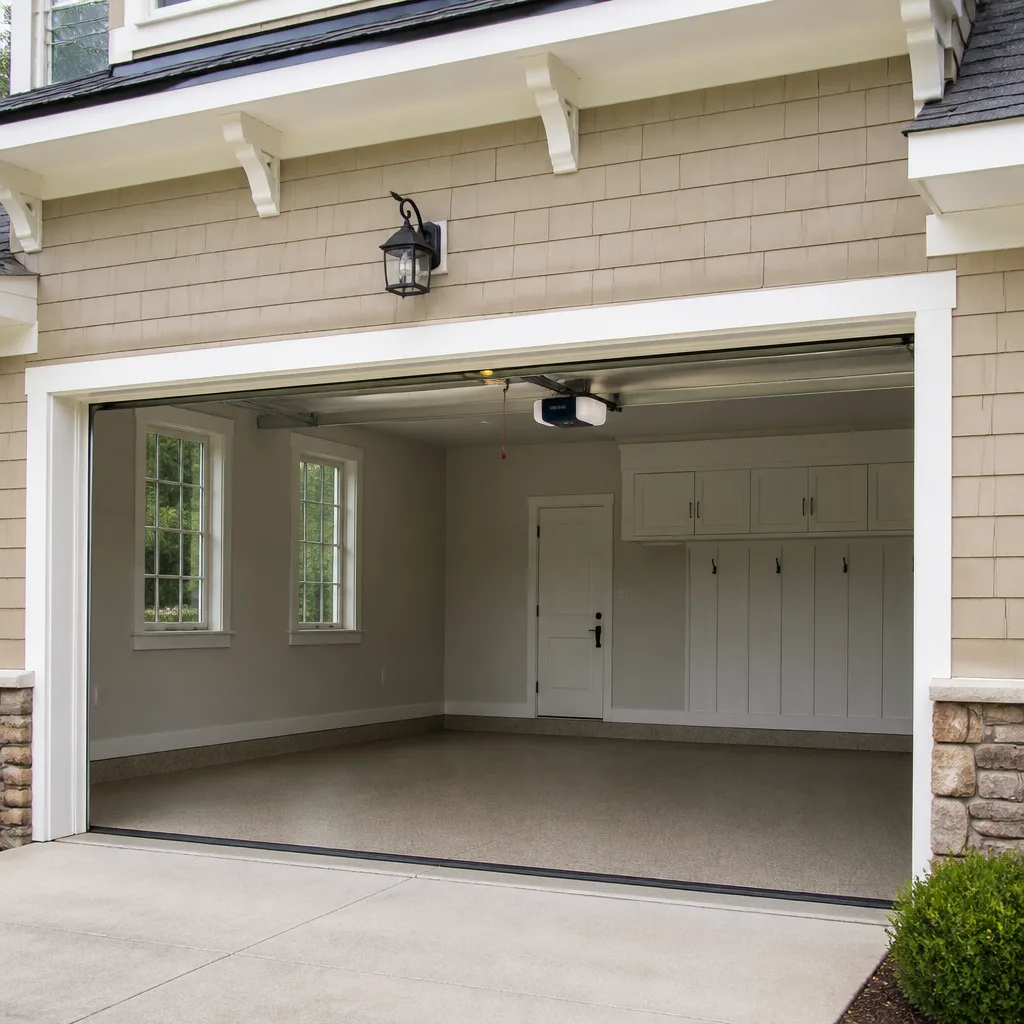 Chamberlain openers
Full 25-point door and opener safety check with every visit - springs, cables, rollers, tracks, and your LiftMaster or Chamberlain opener included
You get a price before we start. It does not change when the pro arrives.
Get your free estimateGarage Door Cost Breakdown: The South Boston Homeowner’s Reference for 2026
Most garage door cost articles start with the same national average: about $1,200 for a full replacement. That number bounces around the internet year after year, and it’s close to useless if you own a home in South Boston. The number you’ll actually be quoted here is usually higher, and the gap isn’t a mystery. It comes from how this neighborhood is built: triple-deckers with tight side drives, street parking rules that affect where a service vehicle can work, older door openings that rarely match a standard catalog size, and a permit process that adds a step most national guides skip entirely. Understanding those local variables is what lets you tell a fair quote from a padded one.
This reference walks through each major job type with line-item cost ranges, explains why South Boston pricing runs above the suburban Massachusetts average, and shows you how to use this data to compare quotes on equal terms. We’ve built it to be useful whether you’re fixing one spring or replacing a whole door.
Quick Answer
Garage door work in South Boston generally breaks down this way: spring replacement runs roughly $180 to $340 for a single torsion spring, cable repair about $150 to $260, a single dented panel replacement $220 to $480, and a full door replacement $1,900 to $4,800 depending on size, insulation and material. Opener installation typically lands between $320 and $680 including the unit. Every price here is an estimate; the written quote you receive after a free measure is the price you pay, and it’s agreed before any work starts.
Styles & brands we work with
- Raised-panel steel
- Carriage house
- Modern flush
- Full-view glass
- LiftMaster openers
- Chamberlain openers
Table of Contents
- Line-Item Cost Breakdown by Job Type
- Why South Boston Pricing Runs Above the Suburbs
- How Material and Insulation Change Both Upfront and Long-Term Cost
- Red Flags in Garage Door Quotes
- Using This Data to Compare Quotes Fairly
- Why Springs Cost What They Do
- Five-Year Cost of Ownership
- Common Mistakes to Avoid
Line-Item Cost Breakdown by Job Type
The table below reflects the typical range we see for each job in South Boston neighborhoods like City Point, Telegraph Hill and the Savin Hill area. Treat these as planning ranges, not fixed prices. A quote is set by the specific door, the condition of the hardware and how accessible the opening is from the street.
| Job Type | Typical Estimated Range | What Drives the Number |
|---|---|---|
| Torsion spring replacement (one spring) | $180 – $340 | Spring size, cycle rating, whether the pair is replaced together |
| Cable repair or replacement | $150 – $260 | Number of cables, drum condition, age of the assembly |
| Single panel replacement | $220 – $480 | Panel style, matching an older profile, color match |
| Roller and hinge service | $120 – $240 | Number of rollers, track alignment |
| Opener installation (unit included) | $320 – $680 | Belt vs. chain drive, smart features, existing wiring |
| Full door replacement (single car) | $1,900 – $3,600 | Steel gauge, insulation, window inserts, disposal |
| Full door replacement (double car) | $2,800 – $4,800 | Size, custom sizing to an older opening, material |
One thing to note before you compare this table to a national guide: a spring price is for one spring. Most doors use a matched pair, and when one fails the other is usually near the end of its life. Replacing the pair costs about twice the single-spring figure, and it’s often the smarter call because it saves a second service visit and a second labor charge down the line.
For a deeper look at any specific job, our garage door repair page covers the diagnostic side: how a technician identifies which component is actually failing rather than guessing from the symptom.
Why South Boston Pricing Runs Above the Suburbs
The same door replacement that costs a certain amount in a Worcester or Plymouth driveway costs more here, and it isn’t arbitrary. Four local factors push labor and logistics costs up.
- Access complexity. Many South Boston homes sit on narrow lots with side drives that leave little working room. A technician has to plan the job around a tighter footprint, which sometimes means a second set of hands or a longer scheduled window.
- Parking and vehicle positioning. A service vehicle needs to be close enough to the door to run tools and carry panels. On streets with permitted parking, that planning is part of the job and takes time that a suburban driveway doesn’t require.
- Permit process. A full door replacement usually requires a permit. Most cities require one for structural or opening changes, so ask South Boston’s building department what applies to your address. Permit fees and the administrative time are real costs that belong in the quote, not tacked on later.
- Disposal logistics. Getting an old door and its hardware off the property in a dense neighborhood takes more steps than a curbside pickup in the suburbs. Disposal should appear as a line item, not be buried in a lump sum.
None of this means urban pricing is unfair. It means a quote built from a national average is not comparable to one built from what a South Boston job actually involves. If you’re comparing two quotes and one looks dramatically lower, look for whether it accounted for these four costs or simply left them out.
How Material and Insulation Change Both Upfront and Long-Term Cost
The door itself is usually the largest single line in a replacement quote, and the material spec drives both the upfront number and what you spend over the next several years.
Steel Gauge
Steel doors are the most common choice for South Boston homes because they hold up well and come in profiles that suit the neighborhood’s older architecture. Thicker steel costs more upfront but resists denting better, which matters on a narrow drive where a misjudged turn is a real risk. A cheaper, thinner gauge can cost less today and more in panel replacements over time.
Insulation
An insulated door costs more than a non-insulated one, and how much more depends on the R-value of the panel. For an attached garage with living space above or beside it, insulation helps keep that interior space from swinging with outside temperatures. For a detached or unheated garage, the difference may not justify the cost. Ask what R-value the quoted door carries and whether that matters for your layout.
Panel Style and Windows
Window inserts and decorative panel profiles add cost. They also add weight, which puts more demand on the springs and opener. A heavier door needs springs rated for that weight, so the spring line on your quote should match the door spec. Mismatched springs are one of the most common reasons a new door feels heavy or stops mid-travel.
If you’re weighing a full replacement against repair, our garage door installation page covers what a new door job involves from measure to final adjustment.
Red Flags in Garage Door Quotes
A garage door quote can hide a lot inside a single number. Here’s what to watch for when you’re reading one.
- “Starting at” pricing. A quote that opens with “starting at” is not a quote. It’s a floor, and the final number can land well above it once the technician sees the door. Ask for a written price for your specific door, not a range.
- No spring specification. A spring quote that doesn’t name the size, wire gauge or cycle rating is guesswork. The right spring is matched to the door’s weight and height, and a quote should show that match.
- No disposal line. Hauling away the old door is labor and cost. A quote that omits it either plans to add it later or plans to leave the door on your property.
- Vague permit language. If the job needs a permit, the quote should say who pulls it. A quote that doesn’t mention permits on a structural change is worth questioning.
- A price that’s dramatically below the others. A suspiciously low quote usually means something is missing: a lower-grade panel, no spring replacement alongside a new door, no permit, or no disposal. It’s rarely a bargain.
- No written agreement before work. Every reputable job sets the price in writing and gets your agreement before anyone touches the door. If that step is skipped, walk away.
The pattern behind most red flags is the same: the quote is designed to look low so it wins the job, then the real number appears after the work has started. A written, itemized estimate avoids that entirely.
Using This Data to Compare Quotes Fairly
This cost data isn’t just a price check to hold a quote against. It’s a framework for getting multiple quotes that can actually be compared, which is how you avoid both overpaying and hiring the wrong contractor.
- Ask each contractor to itemize. Request separate lines for parts, labor, disposal and permit. Quotes that only give a total can’t be compared honestly, and an itemized quote makes hidden costs visible.
- Check the parts spec against the door. Ask what spring size and cycle rating go with the quote, and what steel gauge or insulation R-value the door carries. Two quotes with different specs aren’t comparable even if the totals look close.
- Confirm what’s included in the labor. Installing a door and adjusting it are two different tasks. Ask whether the quote covers final balance, travel limits and safety-reverse testing.
- Ask about the opener separately if it’s involved. An opener installed alongside a new door is sometimes priced differently than a standalone job. Get the opener spec and price in writing either way.
- Get the written estimate and read it before agreeing. The written estimate is the final price. What’s in it, at the number quoted, is what you should expect to pay.
When every quote is itemized the same way, the comparison gets simple. You’re not guessing which one is cheaper; you’re comparing the same lines of work at the same spec. If you’re looking at opener options, our garage door opener repair page explains how brand-specific repair decisions affect cost, which is useful context when a quote suggests replacement over repair.
Why Springs Cost What They Do
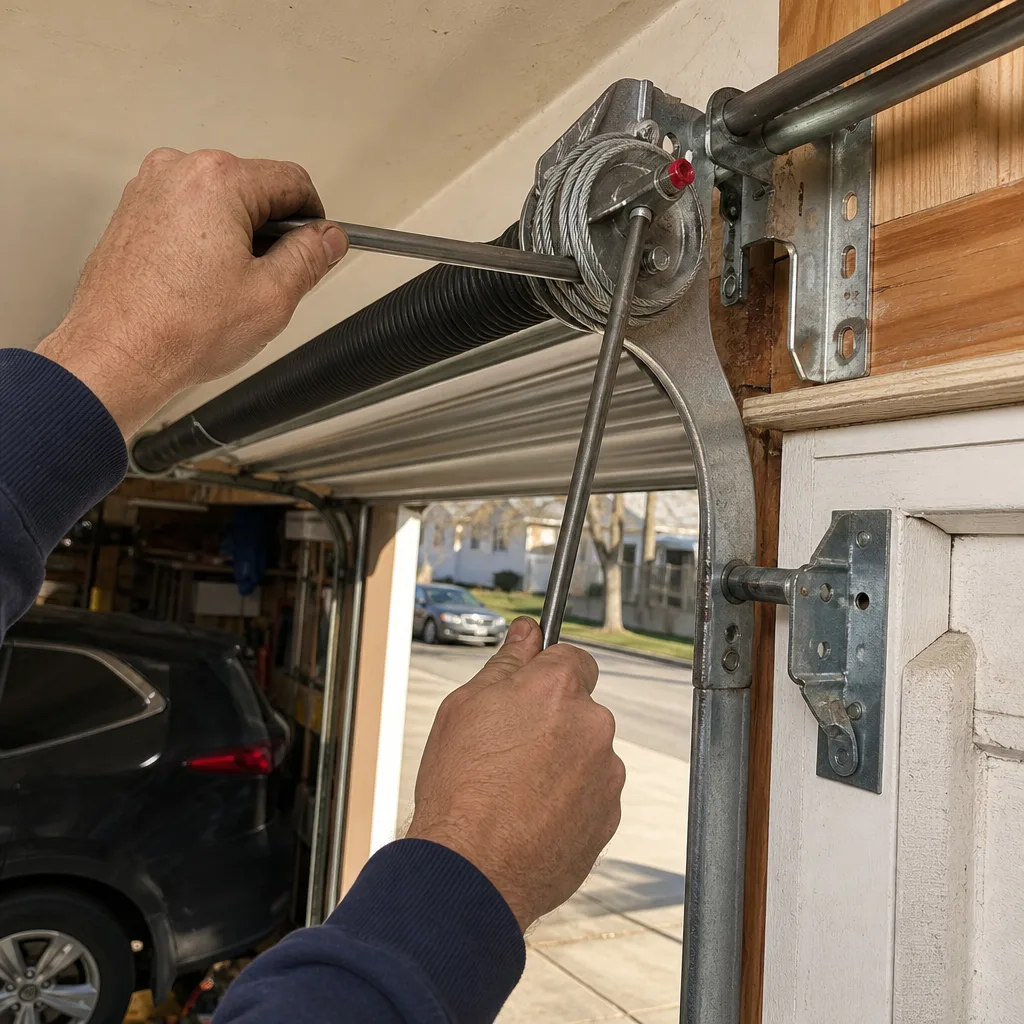
Garage door springs are under extreme tension, and that’s the core reason the price is what it is. A torsion spring holds the entire weight of the door; when it fails, it releases stored energy that can cause serious injury. This is the one component on the system we never suggest a homeowner touch. The cost isn’t just the part; it’s the specialist training and the safety procedure required to remove a spring safely, install and tension the replacement, and rebalance the door so the springs, cables and opener all work together. That’s why we treat spring repair as a core service rather than a reluctant add-on. A general handyman who isn’t set up for spring work either declines the job or improvises, and improvising on a spring is how people get hurt.
Cycle rating matters to the long-term cost. A higher-cycle spring costs a bit more and lasts longer before it needs replacing again. On a well-used door, the difference in upfront cost is small compared to the service visit you avoid later.
Cable repair and spring replacement are often confused because the symptoms overlap: a door that slams, won’t stay up, or sits crooked. Diagnosing which one is actually failing is where experience matters. A quote that assumes the wrong component wastes your money on a part that didn’t need replacing. For any South Boston job involving springs or cables, the safest move is to have a trained professional assess it before anything is removed.
Five-Year Cost of Ownership
A garage door quote is one decision; what you spend over five years is another. Here’s how the choices you make today play out.
- Cheap springs, repeated service. Lower-cycle springs fail sooner. Over five years, a door that needs spring service twice costs more than one that needed it once with a higher-cycle spring.
- Thin steel and dents. A lighter gauge panel costs less upfront but is more prone to denting in a tight drive or an active garage. Panel replacements add up.
- Uninsulated door in an attached garage. An insulated door costs more today; over several years it reduces the temperature swing in an adjacent room. That’s a comfort and energy consideration, not a guaranteed savings figure, so weigh it against your actual layout.
- Skipping the opener upgrade. A modern opener with smart features and safety sensors costs more than a basic one, but it also reduces the chance of a repair call for a failed logic board or a dead remote. For a connected home, LiftMaster and Chamberlain models are the ones we see most often, and their smart features are worth factoring in.
- Deferring adjustment. A door that’s out of balance wears its opener harder and makes the springs work overtime. A routine adjustment line on a service call is cheaper than the repair it prevents.
The point isn’t to spend more. It’s to match the spec to the actual use. A South Boston door on a busy household with a tight drive has different wear patterns than a lightly used one, and the five-year math reflects that.
Common Mistakes to Avoid
- Treating a national average as a target price. The widely quoted $1,200 replacement average doesn’t account for South Boston’s permit process, tight access or disposal logistics. Use local ranges to plan, not national ones.
- Accepting a “starting at” quote without a written price. A starting price isn’t a price. Ask for a written estimate on your specific door before you agree to anything.
- Replacing one spring and leaving the other. Springs wear as a pair, so replacing one alone often means a second service call soon after. Ask whether the pair should be replaced together.
- Skipping the permit check on a full replacement. Most cities require a permit for a structural or opening change. Ask South Boston’s building department what applies to your address before signing off on a job that doesn’t mention it.
- Choosing a door spec before checking the spring match. A heavier or windowed door needs springs rated for that weight. A quote that doesn’t connect the door spec to the spring spec is a setup for balance problems.
- Forgetting disposal. Hauling away an old door takes labor and a plan. Make sure it’s on the quote, not a surprise charge on the invoice.
- Comparing totals instead of line items. Two quotes can differ in what they include while looking identical on paper. Itemized quotes reveal what’s actually covered.
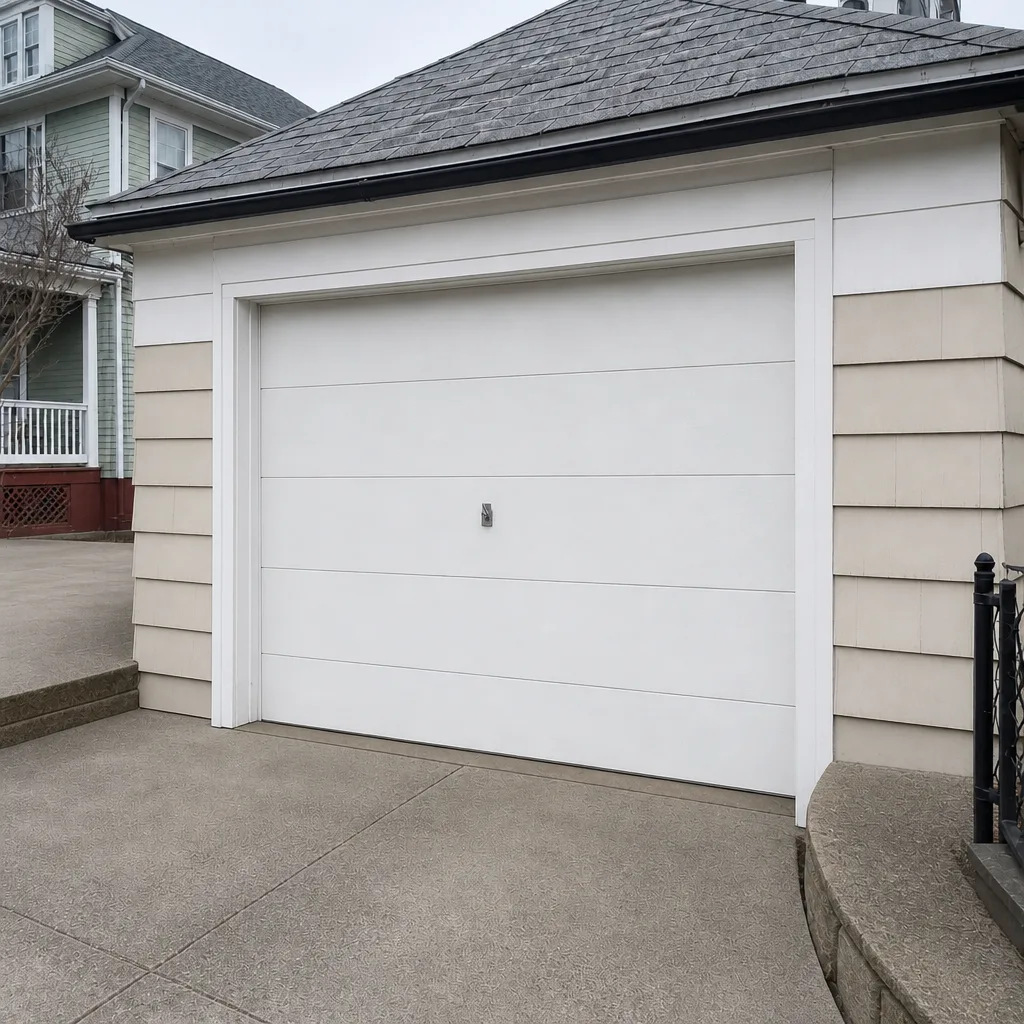
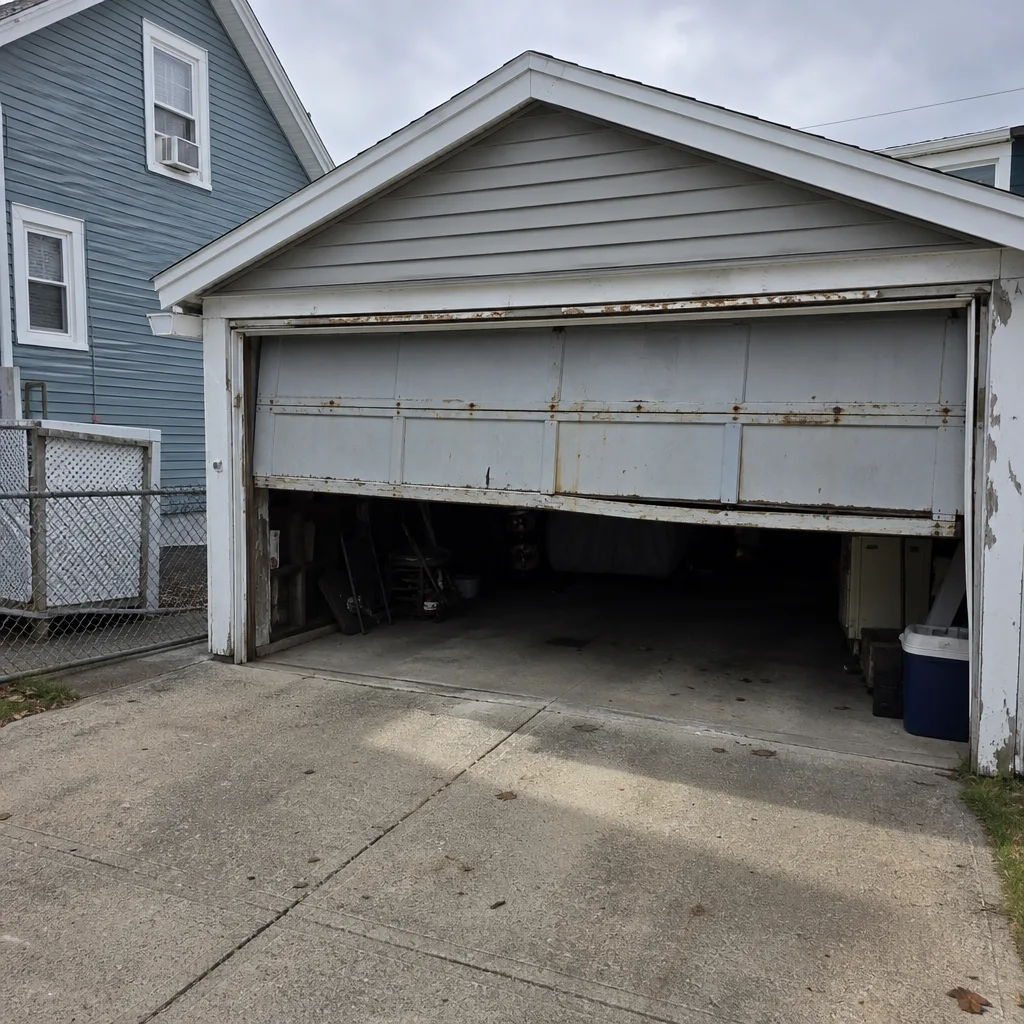
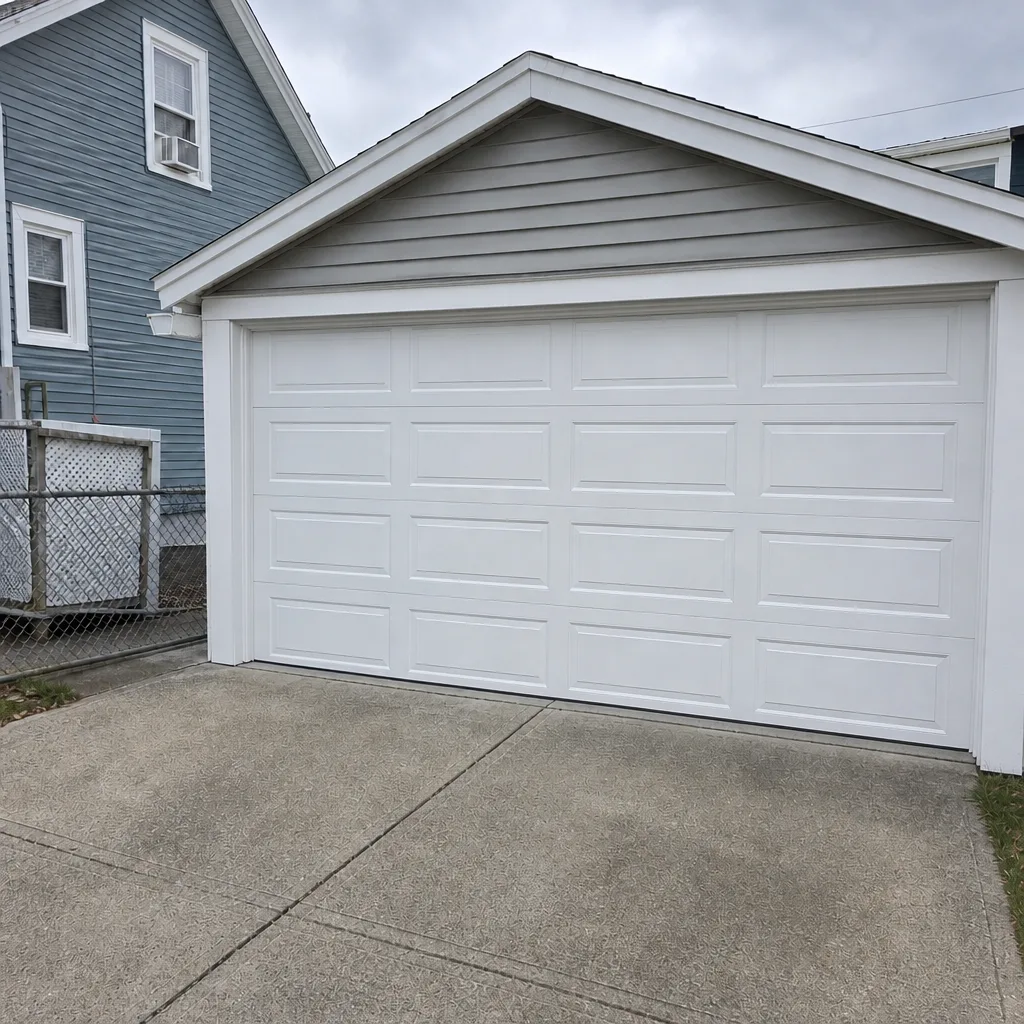
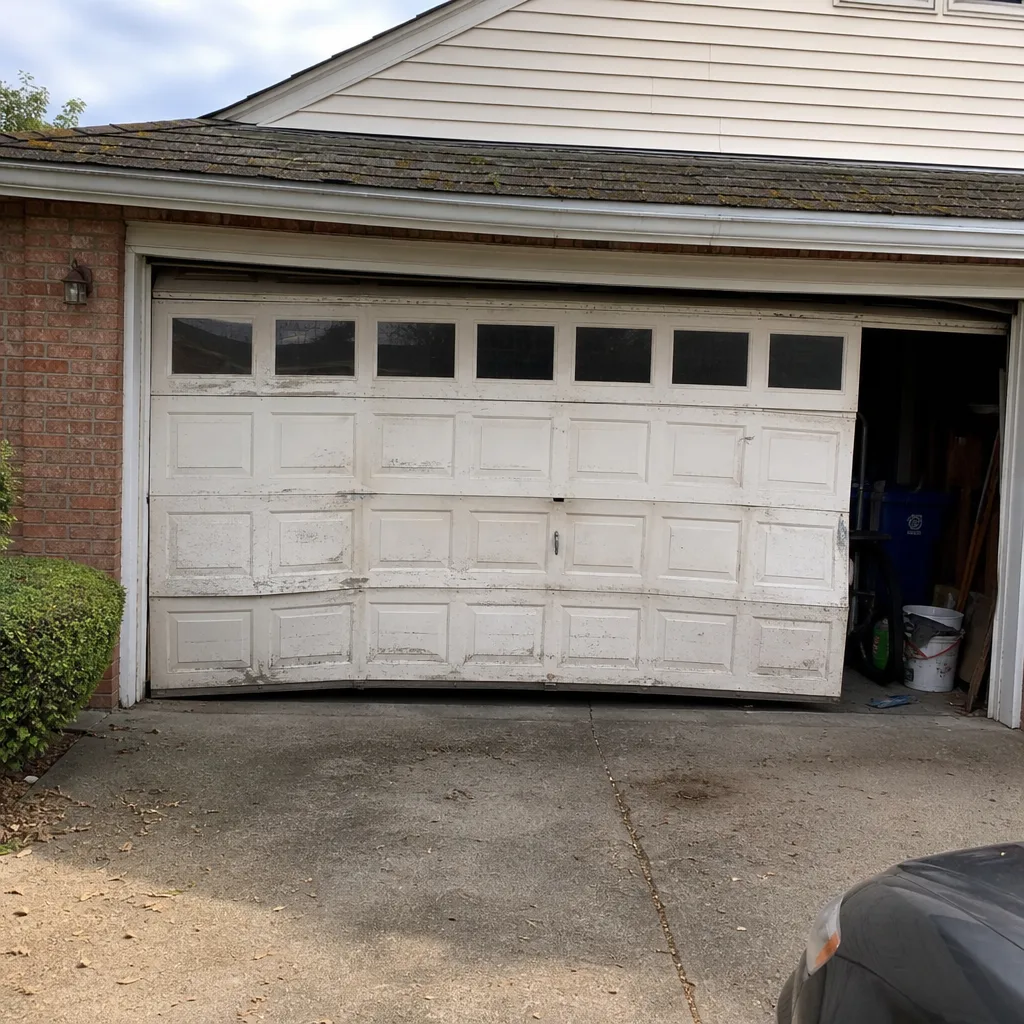
See the difference
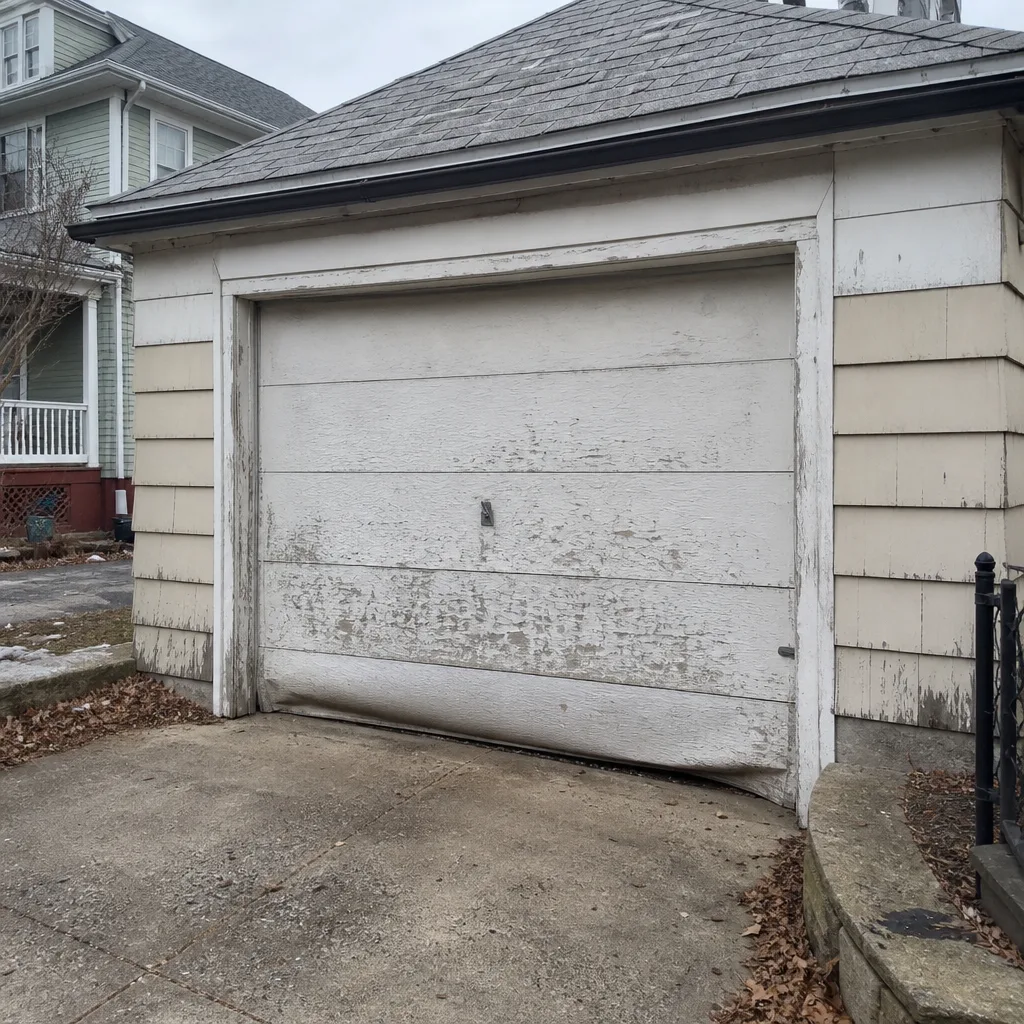 Before
 After
 Before
 After
 Before
 After
When to Call a Professional
Some components are safe to inspect; others need a trained hand. A door that’s out of balance, a spring that’s broken or sagging, cables that look frayed, a door that won’t stay up or comes down too fast: these call for a professional. Springs and cables are under extreme tension and belong to a specialist. So does any job where the opener, safety sensors or door balance need diagnosis rather than a parts swap. If you’re in South Boston and need an estimate on a repair, replacement or opener job, call (844) 662-2561. We answer 24/7, and fast dispatch runs from 7am to 7pm, Sunday through Friday. The estimate is free, the price is set per job by the written estimate, and it’s agreed before any work starts.
We’re set up to handle the whole system: springs, cables, panels, openers and new installations across the major brands you’re likely to own. That includes LiftMaster, Chamberlain, Craftsman and Raynor, so the technician diagnosing your opener knows the specific model rather than guessing at the platform.
Frequently Asked Questions
Most repairs land between $120 and $480 depending on the component. Spring replacement runs $180 to $340 for a single spring, cable repair $150 to $260, and a single panel replacement $220 to $480. These are estimates; the written quote sets the final price. Call (844) 662-2561 for an exact quote. Estimates are free.
Often yes, depending on the schedule. We answer 24/7, and fast dispatch runs from 7am to 7pm, Sunday through Friday. A call outside dispatch hours is booked into the next opening. Call (844) 662-2561 to check availability for today.
No. The price is quoted and agreed before any work starts. If the diagnosis reveals something the initial estimate didn’t cover, you’ll hear about it and approve it first. The written estimate is the number you pay. Call (844) 662-2561 for a free estimate.
The local professionals we connect you with are licensed and insured as their state requires. Our technicians have up to 10 years of experience, trained across eight major brands including Clopay, Amarr, Wayne Dalton, LiftMaster, Chamberlain, Genie, Craftsman and Raynor. Call (844) 662-2561 to talk through your job.
Access complexity, parking logistics, permit fees and disposal costs all run higher in dense neighborhoods than in suburbs. A quote built on a national average doesn’t account for those local variables, which is why local ranges are more useful for planning. Call (844) 662-2561 for a written estimate on your specific door.
Opener installation typically lands between $320 and $680 including the unit, depending on drive type (belt or chain), smart features and existing wiring. For a smart-home setup, LiftMaster and Chamberlain models are the most common, and brand familiarity keeps diagnosis straightforward. Call (844) 662-2561 for an exact quote, and estimates are free.
The Bottom Line
Garage door pricing in South Boston doesn’t follow the national average, and it shouldn’t. Access, permitting and disposal push local costs above the suburban figures, which means the most useful number is the one built from your specific door. Use the line-item ranges here to plan, insist on itemized quotes when you compare contractors, and check the parts spec against the door spec so you’re comparing the same work. Springs and cables are the one area where a specialist is essential, not optional. Every price is set by a written estimate and agreed before work begins. For a free estimate in South Boston, call (844) 662-2561. We answer 24/7, with fast dispatch from 7am to 7pm, Sunday through Friday.
If you’re starting with a repair rather than a full replacement, our Garage Door Repair South Boston page covers the full-service picture, and the guide above gives you the numbers to hold a quote against.
Written by the team at Garage Door Repair South Boston.