
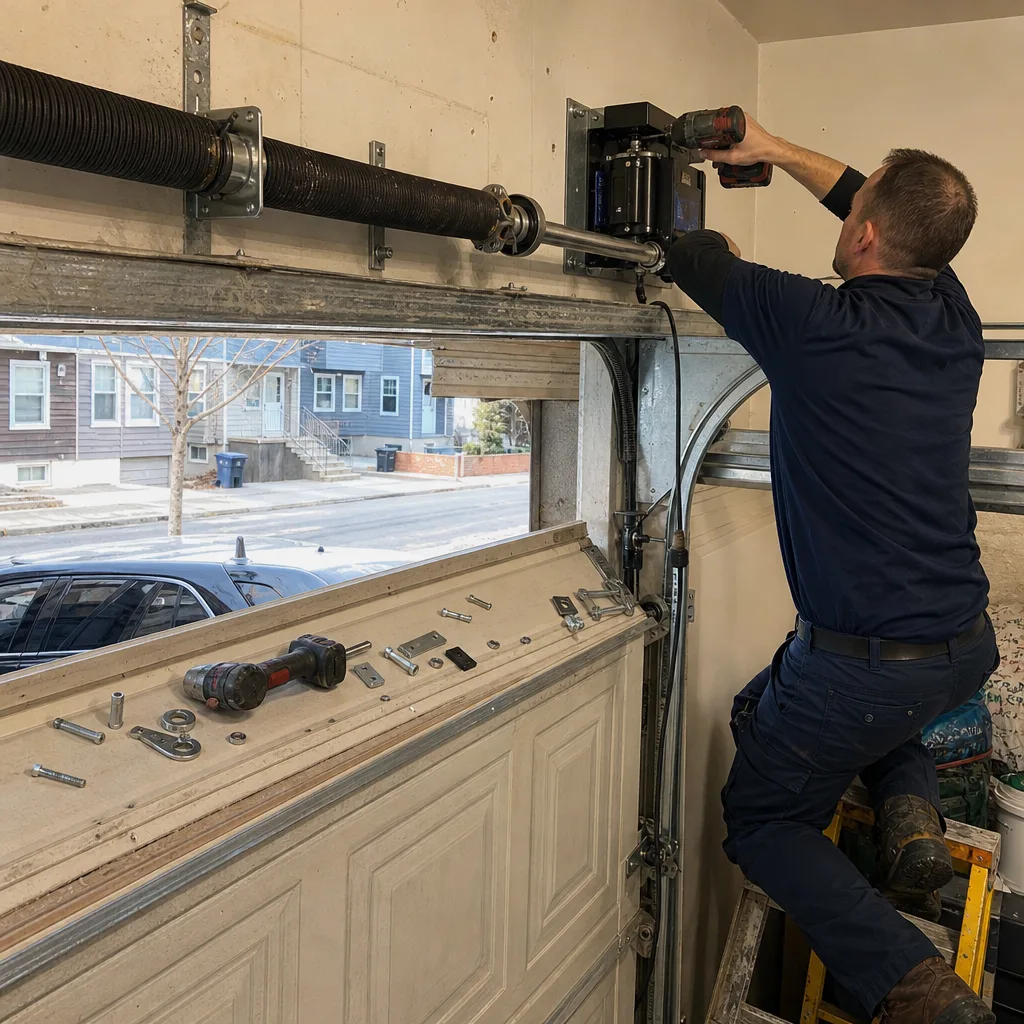
Last updated November 21, 2026
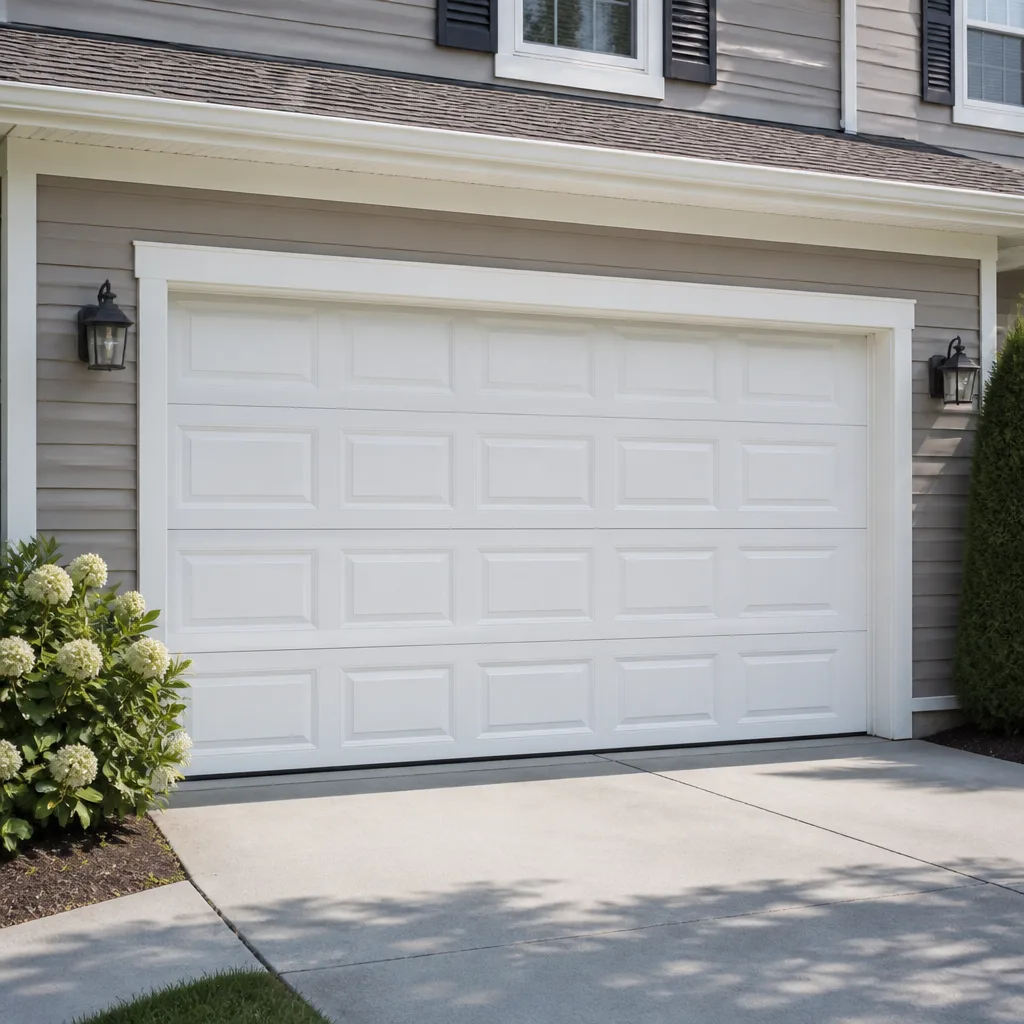 Raised-panel steel
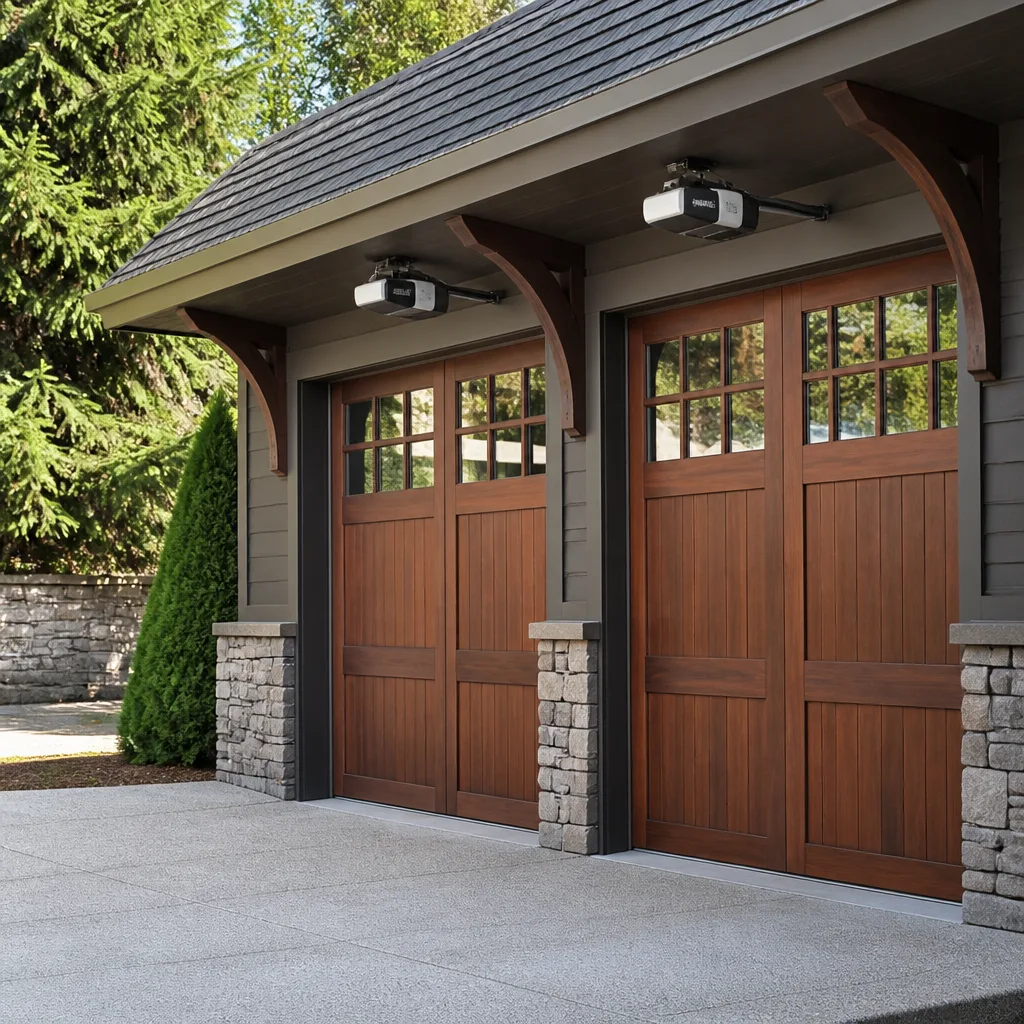
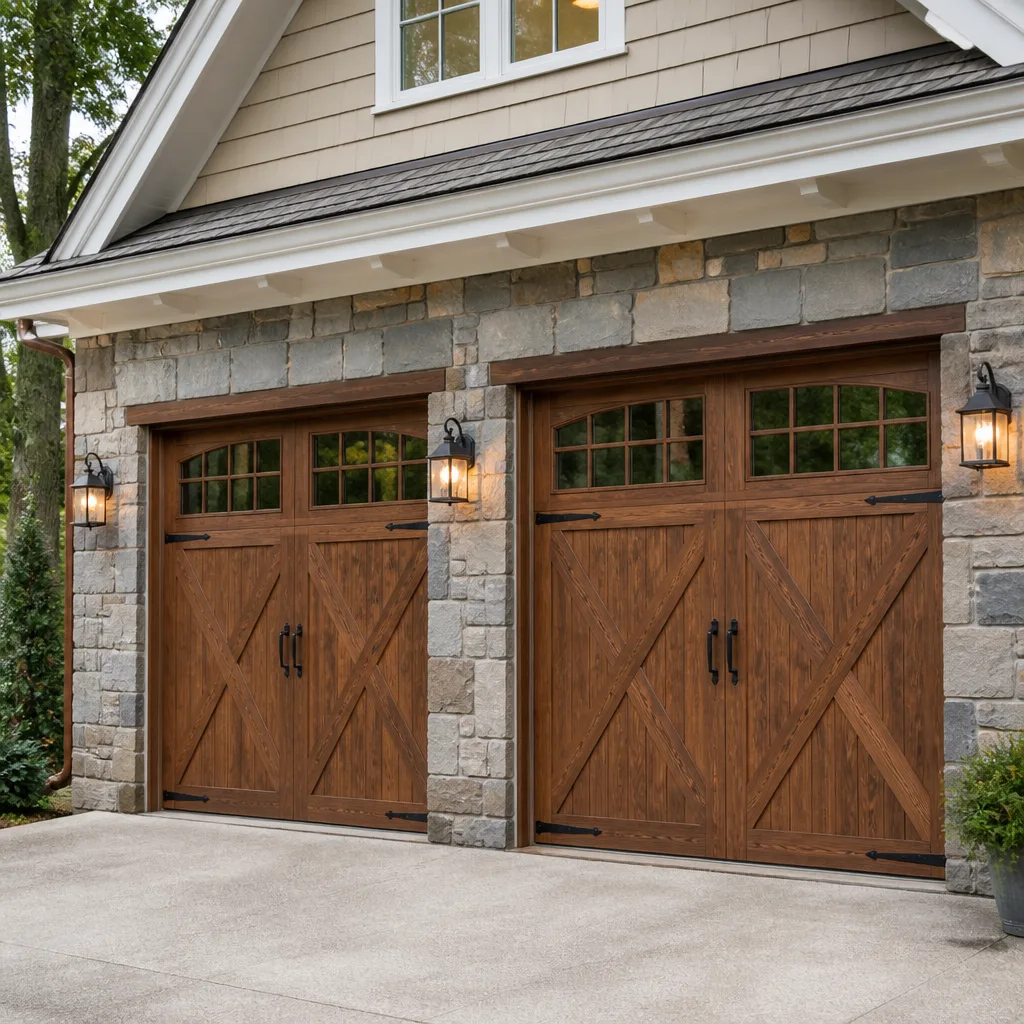 Carriage house
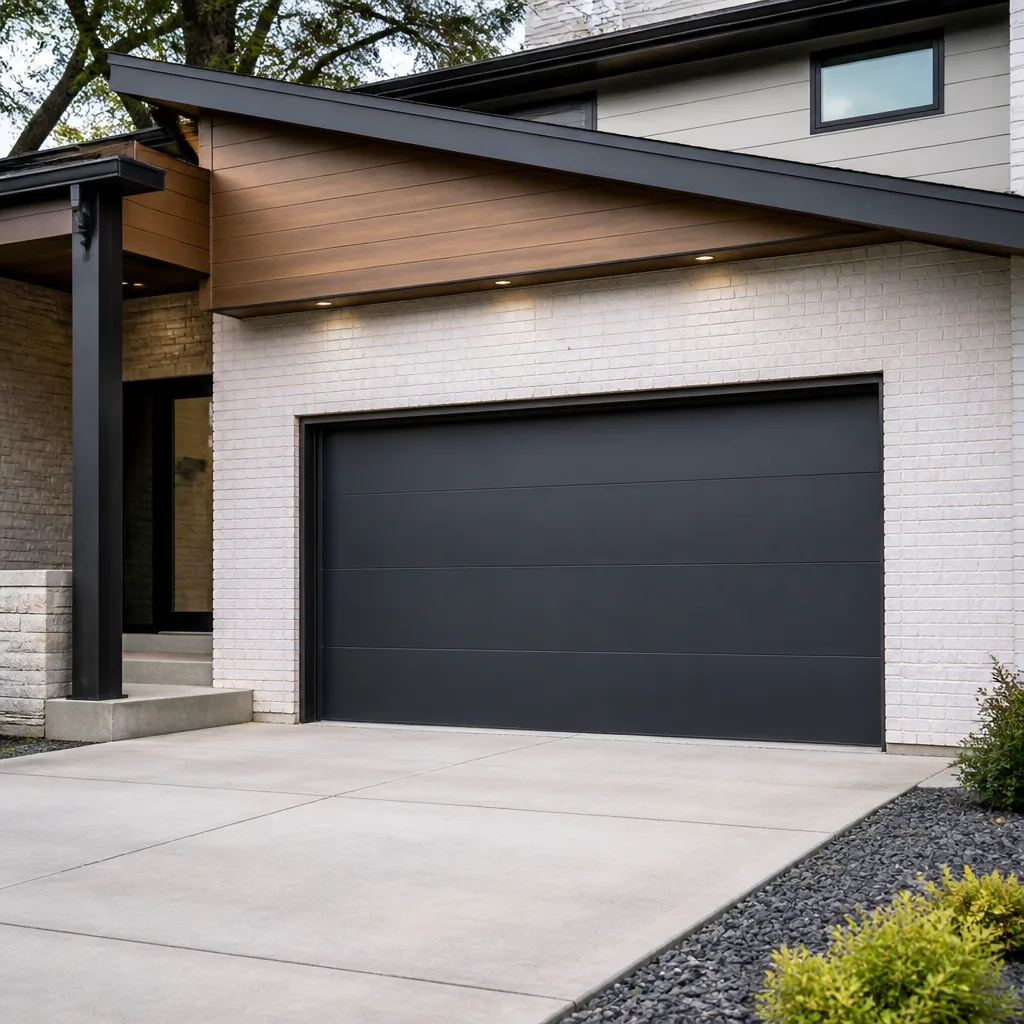 Modern flush
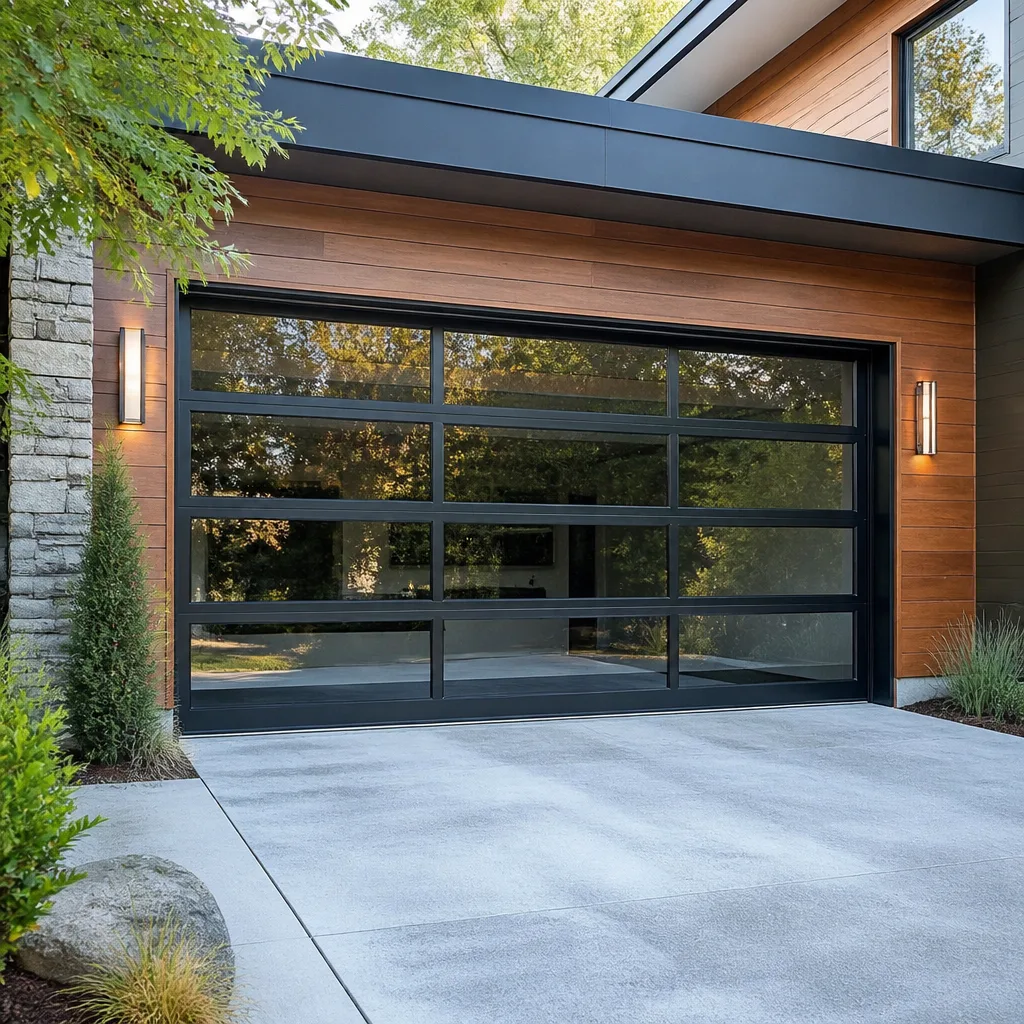 Full-view glass
 LiftMaster openers
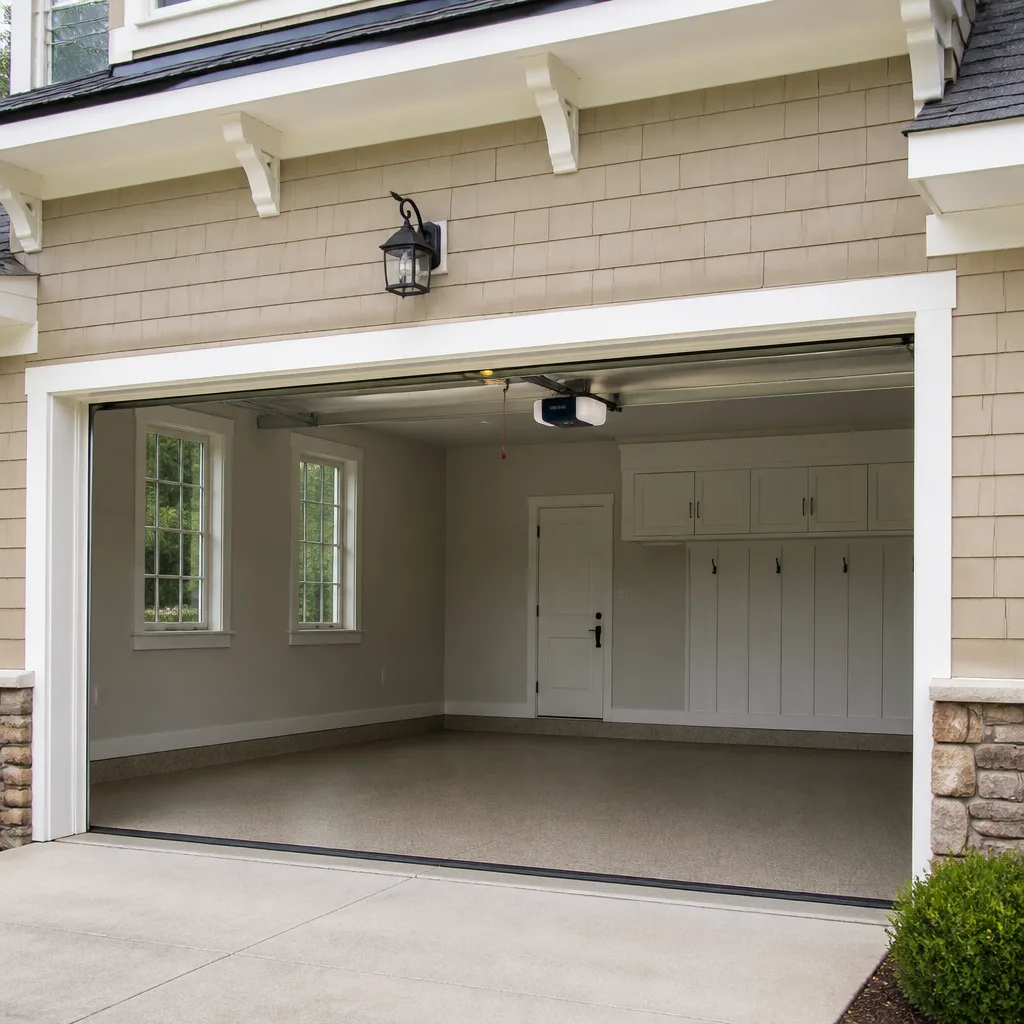 Chamberlain openers
Full 25-point door and opener safety check with every visit - springs, cables, rollers, tracks, and your LiftMaster or Chamberlain opener included
You get a price before we start. It does not change when the pro arrives.
Get your free estimateGarage Door Repair Maintenance Checklist for South Boston Homeowners
The call that wakes us up in January is usually not a snapped spring. It’s a weather seal that was already cracked in October, a rail that took on water, or a cable that quietly frayed while nobody was looking. In South Boston, doors fail in a pattern, and the pattern is set by wet winters, freeze-and-thaw cycles, and the tight salt-box housing stock that leaves little room for error. A maintenance checklist written for a ranch house in a dry climate doesn’t help you here. This guide is built backward from the repair calls we actually make in South Boston, organized by how often each task needs doing, and split into what you can safely handle and what should stay in professional hands.
Quick Answer
A useful garage door maintenance checklist for South Boston means checking the bottom seal and cables monthly through winter, lubricating moving parts and testing the safety reverse every season, and booking a professional inspection of the balance and torsion system once a year. The tasks that prevent most emergency calls are cheap and quick. The tasks that cause injuries are the ones you should never do yourself: spring, cable, and high-tension work.
Styles & brands we work with
- Raised-panel steel
- Carriage house
- Modern flush
- Full-view glass
- LiftMaster openers
- Chamberlain openers
Table of Contents
- Why a South Boston Garage Door Checklist Looks Different
- Monthly Tasks: The Ten-Minute Check
- Seasonal Tasks: What Changes With the Weather
- Annual Tasks: The Once-a-Year Deep Check
- What You Can Do Safely vs. What Needs a Professional
- Torsion Springs: What to Look For (and What Not to Touch)
- Documenting Maintenance for Insurance and Resale
- Common Mistakes to Avoid
Why a South Boston Garage Door Checklist Looks Different
Generic maintenance guides are written for a national average. South Boston isn’t a national average. The neighborhood is dense, the housing stock ranges from triple-deckers to newer mid-rise condos, and the climate swings hard between wet, freezing winters and humid summers. That combination hits garage doors in specific ways.
First, winter moisture. Rain and snowmelt get into tracks and along the bottom seal, then freeze overnight. A bottom seal that’s already stiff and cracked will bond to the concrete and tear the first time the door lifts. That’s one of our most common cold-weather calls, and it almost always traces back to a seal that was overdue for replacement in the fall.
Second, frost heave. Concrete slabs shift when the ground freezes and thaws, and a garage floor that was level in September can be a fraction off by February. When the slab moves, the door’s bottom edge no longer seats evenly, which stresses the tracks over time. That’s the misalignment we see most in older South Boston garages with original concrete.
Third, salt. Road salt tracked in on tires and boots works its way onto cables, hinges, and rollers. It doesn’t destroy a door overnight, but it accelerates wear on cables and metal hinges faster than in areas without winter road treatment. Cables are the safety-critical piece here, and a frayed cable is a genuine hazard. This is the reason our local checklist puts cable inspection on a monthly rotation rather than a yearly one.
Fourth, tight spaces. Many South Boston garages are shallow or low-clearance, which means there’s less room for the door to travel and less tolerance for a track that’s slightly out of alignment. In our experience, low-clearance doors in South Boston show track and roller wear sooner than doors in suburban garages with more headroom.
Monthly Tasks: The Ten-Minute Check
Once a month, spend ten minutes on the tasks that catch small problems before they become emergency calls. Do these with the door closed and the opener disconnected if you can, and never put your hands near a spring or cable.
- Look at the bottom seal. Run your hand along the rubber seal at the bottom of the door (door closed, opener off). Look for cracks, stiffness, or gaps where daylight shows through. A stiff seal is the number one cause of a door that freezes shut. If it’s cracked, plan to replace it before the first hard freeze.
- Check the cables visually. With the door closed, look at the cables running along each side. You’re looking for fraying, kinks, or rust. Don’t touch them, don’t wiggle them, and don’t try to adjust them. If a cable looks worn, that’s a call to a professional, not a project.
- Wipe down the tracks. Use a dry cloth or a soft brush to clear grit and salt residue from the tracks. Don’t use grease or oil in the tracks; they collect dirt and make the problem worse. A clean, dry track is what rollers need.
- Test the balance by hand. With the opener disconnected, lift the door halfway and let go. A well-balanced door stays put. A door that slams down or drifts up has a balance problem, which usually points to spring tension that needs a professional’s attention.
- Listen for new noises. Squeaks, grinding, or a door that sounds different than it did last month are early signals. Catch them early and you avoid a bigger repair.
That’s it. Ten minutes, no tools, no risk. These five checks are the backbone of the checklist, and they’re the ones most homeowners skip.
Seasonal Tasks: What Changes With the Weather
South Boston goes through four distinct seasons, and each one stresses the door differently. Seasonal maintenance is about getting ahead of the change rather than reacting to it.
Fall: Prepare for Freeze
- Replace a stiff or cracked bottom seal before the first freeze. A fresh seal is what keeps the door from bonding to the concrete.
- Lubricate hinges, rollers, and the opener’s rail with a garage-door-specific lubricant. Not WD-40, which attracts dust.
- Clear the tracks of summer grit and debris. Leaves and grit collect in the fall and freeze into place.
- Check the weather-stripping around the door frame. Gaps let in cold air and moisture.
Winter: Watch for Freeze and Salt
- Check the bottom seal weekly if the weather is wet and freezing. This is the highest-risk window.
- Look at cables and hinges for salt residue and wipe them down when you can. Salt accelerates wear on cables.
- Keep the concrete in front of the door clear of packed snow and ice. Ice buildup under the door is what causes the door to lift unevenly.
- Don’t force a frozen door open. If it won’t lift, the seal has bonded. Call us rather than yanking on the opener.
Spring: Inspect for Frost Damage
- Look for track misalignment caused by frost heave. A door that runs rough or catches on one side in spring usually has a track that shifted over the winter.
- Check the balance again. Freeze-thaw cycles can shift the whole assembly.
- Test the safety reverse feature (the door should reverse when it meets an obstruction).
Summer: Heat and Humidity Checks
- Humidity warps wooden panels and can swell the door in its frame. Watch for a door that binds in summer but not in winter.
- Check the opener’s lubrication and the belt or chain tension.
- This is the best window to book a full professional inspection, since the door isn’t under winter stress.
Annual Tasks: The Once-a-Year Deep Check
Once a year, book a professional inspection. This isn’t a sales call; it’s a check of the parts that determine whether your door is safe and whether it will last. Our technicians have up to 10 years of experience, and in our experience a yearly inspection catches the balance, spring, and track problems that a homeowner can’t safely assess.
A good annual inspection covers:
- Spring tension and condition. The technician checks the torsion springs for wear, corrosion, and the first signs of fatigue. Springs have a finite life, and a technician can usually see the signs before they fail.
- Cable condition and attachment. Cables are checked for fraying and proper attachment. This is a safety-critical item.
- Track alignment and hardware torque. Every bolt, hinge, and bracket is checked for looseness and wear.
- Roller wear. Rollers that are worn flat or are noisy should be replaced before they damage the tracks.
- Opener inspection. The opener’s force settings, safety reverse, and belt or chain are checked. Modern LiftMaster and Chamberlain openers have settings that drift over time.
- Balance test. The full balance check confirms the springs are doing their job correctly.
An annual inspection takes maybe an hour and catches problems while they’re small. It’s the cheapest maintenance task on the list.
What You Can Do Safely vs. What Needs a Professional
The biggest mistake in garage door maintenance is treating every task as a DIY project. Some are safe and easy. Some can cause serious injury. Here’s the split.
Safe for Homeowners
- Wiping down the tracks.
- Lubricating hinges, rollers, and the opener rail.
- Testing the balance with the door disconnected.
- Testing the safety reverse.
- Visual inspection of the bottom seal.
- Cleaning the concrete in front of the door.
- Replacing a bottom seal if you’re comfortable with basic tools (though a professional seal replacement is cheap enough that many homeowners skip the DIY version).
Not Safe for Homeowners
- Adjusting or replacing torsion springs. These are under extreme tension and can cause serious injury.
- Replacing or adjusting cables. Same reason.
- Realigning tracks that have shifted from frost heave.
- Adjusting the opener’s force or travel limits if you don’t know the system.
There’s a warranty angle too. Many door manufacturers and openers have warranty terms that assume professional service on the moving parts. Doing spring or cable work yourself can put a warranty question on the table, and more importantly, it can get you hurt. We work with Raynor, LiftMaster, Chamberlain, and Genie systems daily, and we know the safe limits of each one.
Torsion Springs: What to Look For (and What Not to Touch)
Most checklists mention springs in passing. We’d rather actually explain them, because they’re the highest-risk component and the most misunderstood.
Torsion springs sit on a bar above the door and do the heavy lifting. When the door is down, the springs are wound tight; when the door goes up, they release that tension to help lift it. That stored tension is enormous, and it’s why springs are the one part of a garage door that should never be touched by a homeowner. A spring that lets go under tension can cause serious injury.
What you can do is look for the signs that a spring needs professional attention:
- A visible gap in the spring coil.
- A door that suddenly feels much heavier to lift by hand.
- A door that slams down instead of staying put when you test the balance.
- A loud bang from the garage, followed by the door not opening.
- Visible rust or corrosion on the spring.
If you see any of those, don’t touch the spring and don’t force the door. Call us. Spring repair is a core service for us, not something we hand off. That matters in South Boston, where the salt on the roads and the freeze-thaw cycle mean springs and cables take more wear than in drier places. Our team knows Raynor and LiftMaster spring systems specifically, and we stock common parts so most repairs happen on the first visit.
We’ve seen too many homeowners try to save money on a spring and end up hurt or with a bigger repair. This is one part of the garage door where the professional call is the right one.
Documenting Maintenance for Insurance and Resale
A maintenance record matters more in South Boston than in a lot of places, because the condo and housing market here is competitive. When you sell, buyers want to know a door has been cared for, and when you file a claim, your insurer wants a record of upkeep.
Here’s how to keep it useful:
- Keep a simple log. Date, task, and who did it. A notebook works.
- Save your professional inspection receipts. These are proof of annual service, which matters for warranty questions and resale.
- Keep a photo of the door and opener at the time of inspection. Photos are useful when there’s a question about the condition of the door at a given time.
- Note any part replacements. If a spring or cable was replaced, the brand and date are worth recording.
This is the kind of record that helps at the resale table. A well-documented maintenance history is a small but real selling point when a buyer is comparing two units in South Boston. If you’re considering a new door, the same thinking applies to the quote and warranty paperwork, and our garage door installation team can walk you through what to keep.
Common Mistakes to Avoid
- Greasing the tracks. People think lubrication is always good. In the tracks it collects grit and salt and makes the door noisier. Tracks should be clean and dry.
- Forcing a frozen door. In South Boston winters, a door that won’t lift is usually bonded to the concrete. Forcing it stretches cables and stresses the opener. Call a professional instead.
- Ignoring a noisy door. Squeaks and grinding are early warnings. Catching them in October saves a January repair.
- Doing spring work yourself. The most dangerous mistake on the list. Springs are under extreme tension and belong in professional hands.
- Skipping the annual inspection. A door can look fine from the outside and still have a worn cable or a spring near the end of its life.
- Skipping the seal replacement in fall. This is the cheapest task on the checklist and the one that prevents the most winter calls.
- Using the wrong lubricant. WD-40 and general-purpose oil attract dust. Use a garage-door-specific lubricant on hinges and rollers.
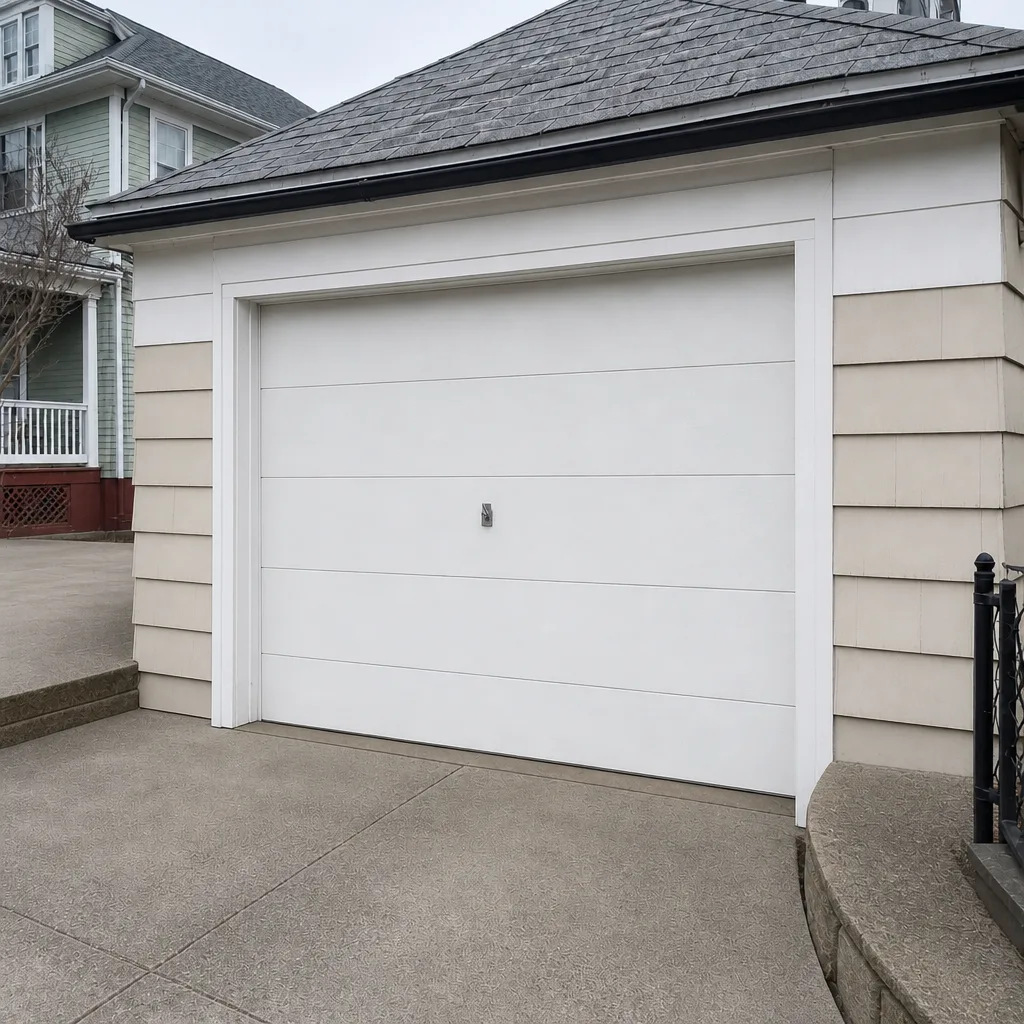
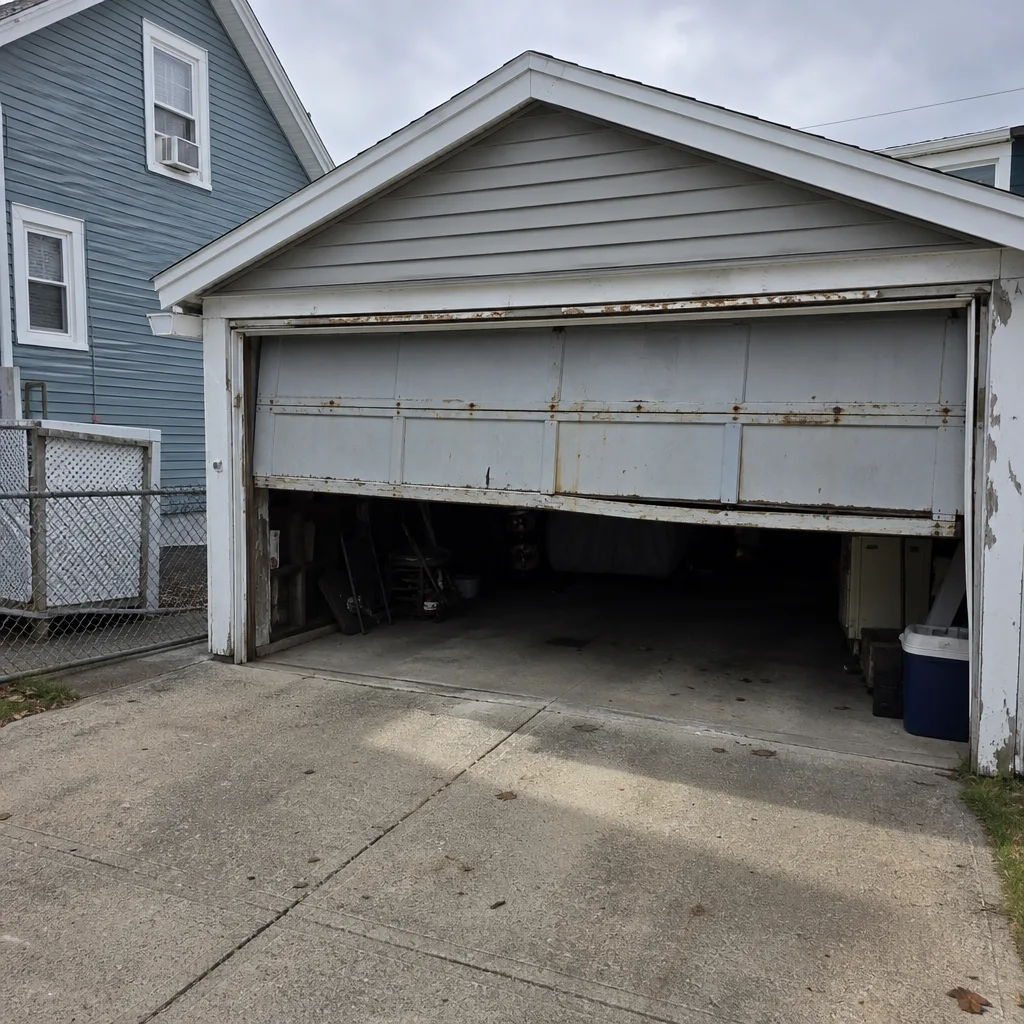
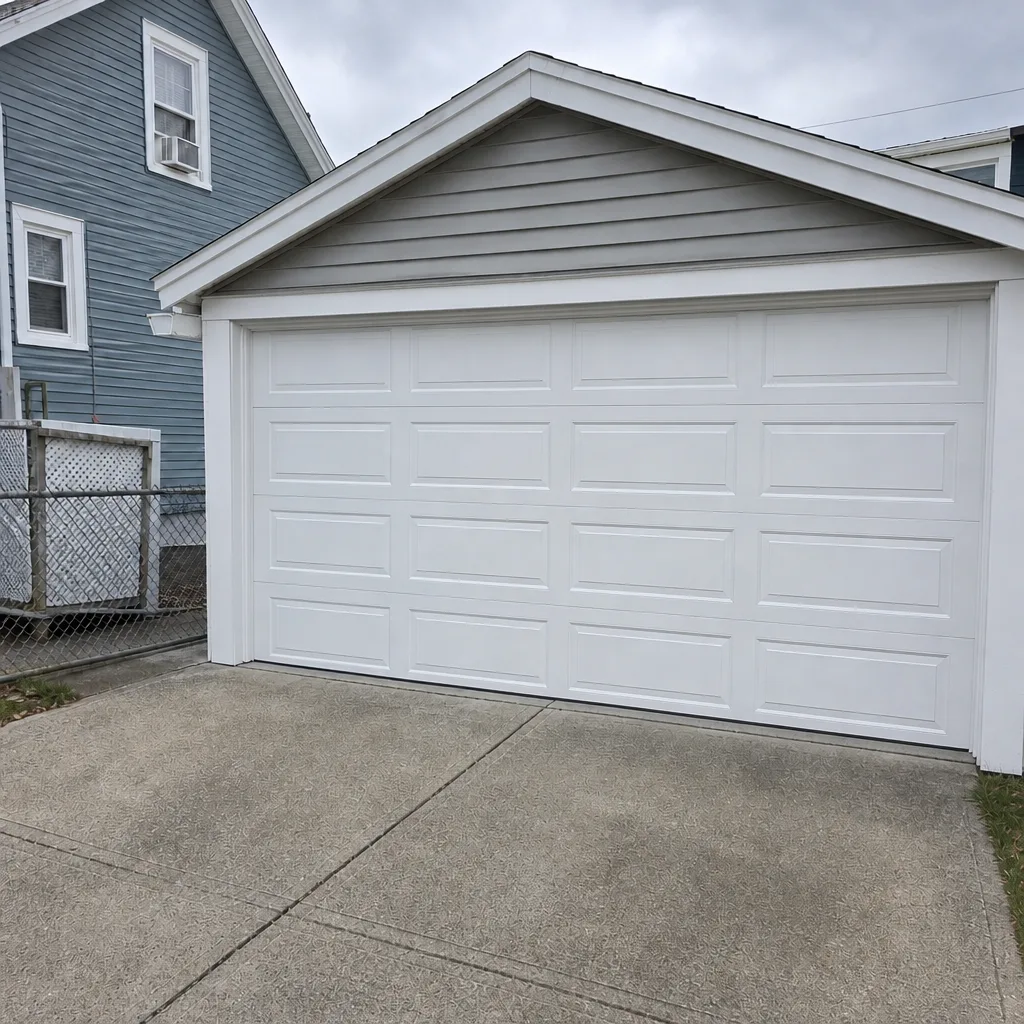
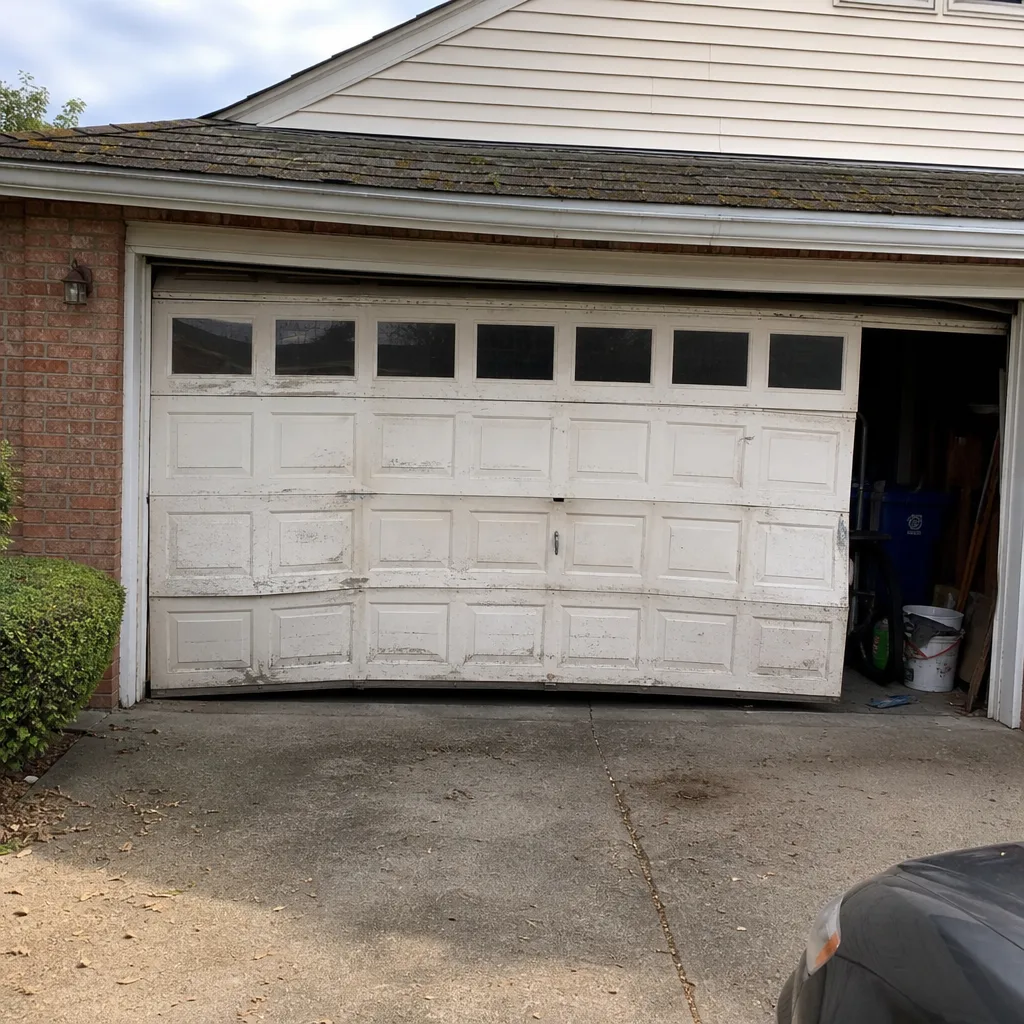
See the difference
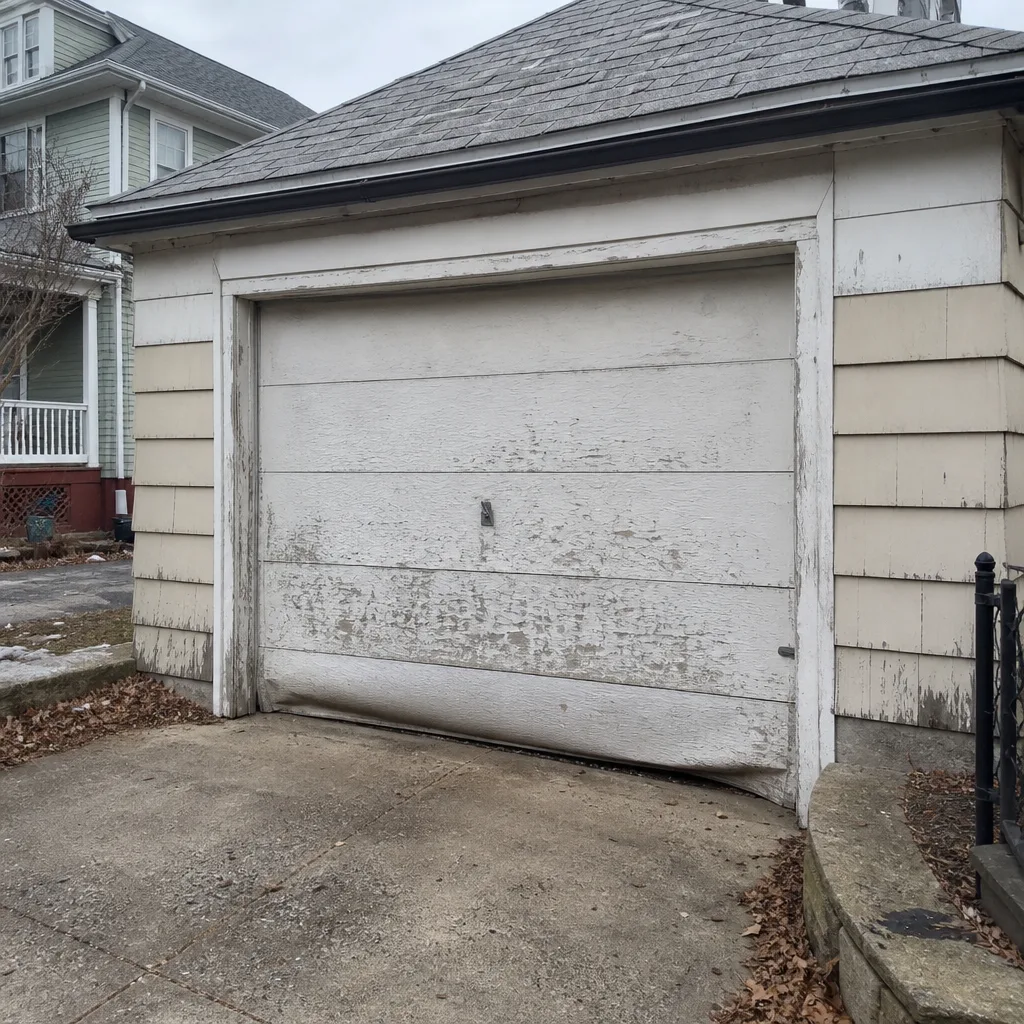 Before
 After
 Before
 After
 Before
 After
When to Call a Professional
Some maintenance tasks belong to you. Some belong to a trained technician. Call a professional when you see a frayed or kinked cable, a spring with a visible gap or rust, a door that slams down or won’t stay up, a track that’s been shifted by frost heave, or an opener that reverses on its own or won’t respond. Call us if a door is frozen shut in South Boston and won’t lift with normal force. We answer 24/7 and run fast dispatch from 7am to 7pm, Sunday through Friday, so same-day help is often possible. If it’s a smart opener issue, a garage door opener repair visit is often the answer, and for balance or unusual wear, a general garage door repair call is the right first step. Our team at Garage Door Repair South Boston offers free estimates in South Boston. Call (844) 662-2561. We answer 24/7, with fast dispatch from 7am to 7pm, Sunday through Friday.
Frequently Asked Questions
Monthly visual checks and lubrication, seasonal checks around the freeze and thaw, and a professional inspection once a year. The winter window is the one that matters most here because the bottom seal and cables take the most stress.
No. Torsion springs are under extreme tension and a mistake can cause serious injury. Replace the seal and lubricate the hinges; leave spring and cable work to a professional.
Usually a stiff or cracked bottom seal bonding to the concrete, combined with moisture. Replacing the seal before the first freeze is the fix. If it’s already frozen, don’t force it. Call us and we can help.
Test the safety reverse (it should reverse when it meets an obstruction) and check the belt or chain tension. LiftMaster, Chamberlain, and Genie openers have settings that drift over time, so an annual check keeps them reliable. For smart opener issues, that’s what our garage door opener repair service covers.
It’s useful in both cases. A dated log of inspections and parts replaced is proof of upkeep, which matters for warranty questions and when a buyer is comparing properties in South Boston.
A visible gap in the coil, sudden heaviness when lifting the door by hand, a door that slams down, rust on the spring, or a loud bang from the garage. Don’t touch it. Call us and we’ll take a look.
The Bottom Line
Garage door maintenance in South Boston comes down to a few habits: check the seal and cables monthly in winter, lubricate and clear tracks each season, and book an annual inspection of the springs, cables, and opener. Do the safe tasks yourself, leave the dangerous ones to a professional, and keep a dated record. That’s the checklist that prevents the calls nobody wants in January. When you want the full system looked at, our garage door repair team is here, and we work on Raynor, LiftMaster, and Chamberlain systems every day.
Call (844) 662-2561 for a free estimate. We answer 24/7, with fast dispatch from 7am to 7pm, Sunday through Friday. You can also start with our Garage Door Repair South Boston team for new-door questions, or ask for a garage door installation quote if you’re weighing replacement rather than repair.
Written by the team at Garage Door Repair South Boston.