
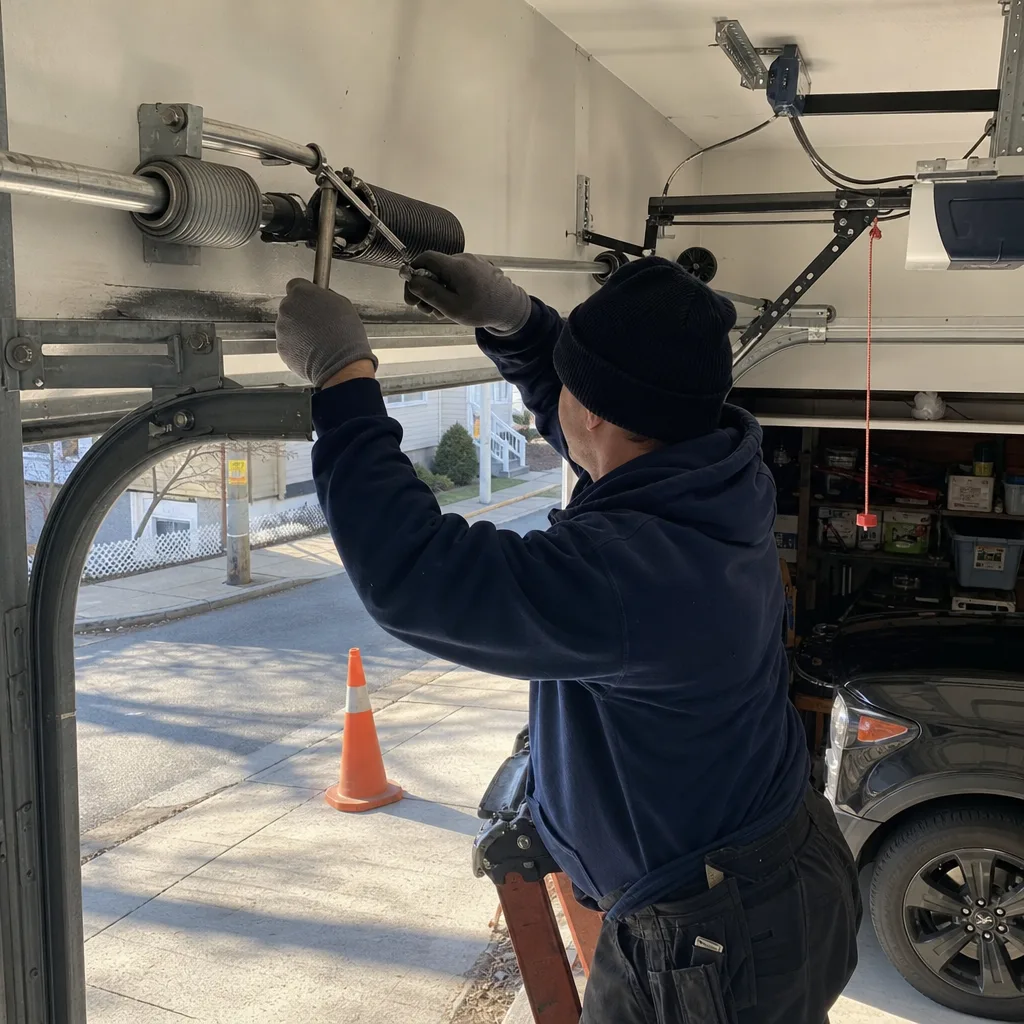
Last updated November 21, 2026
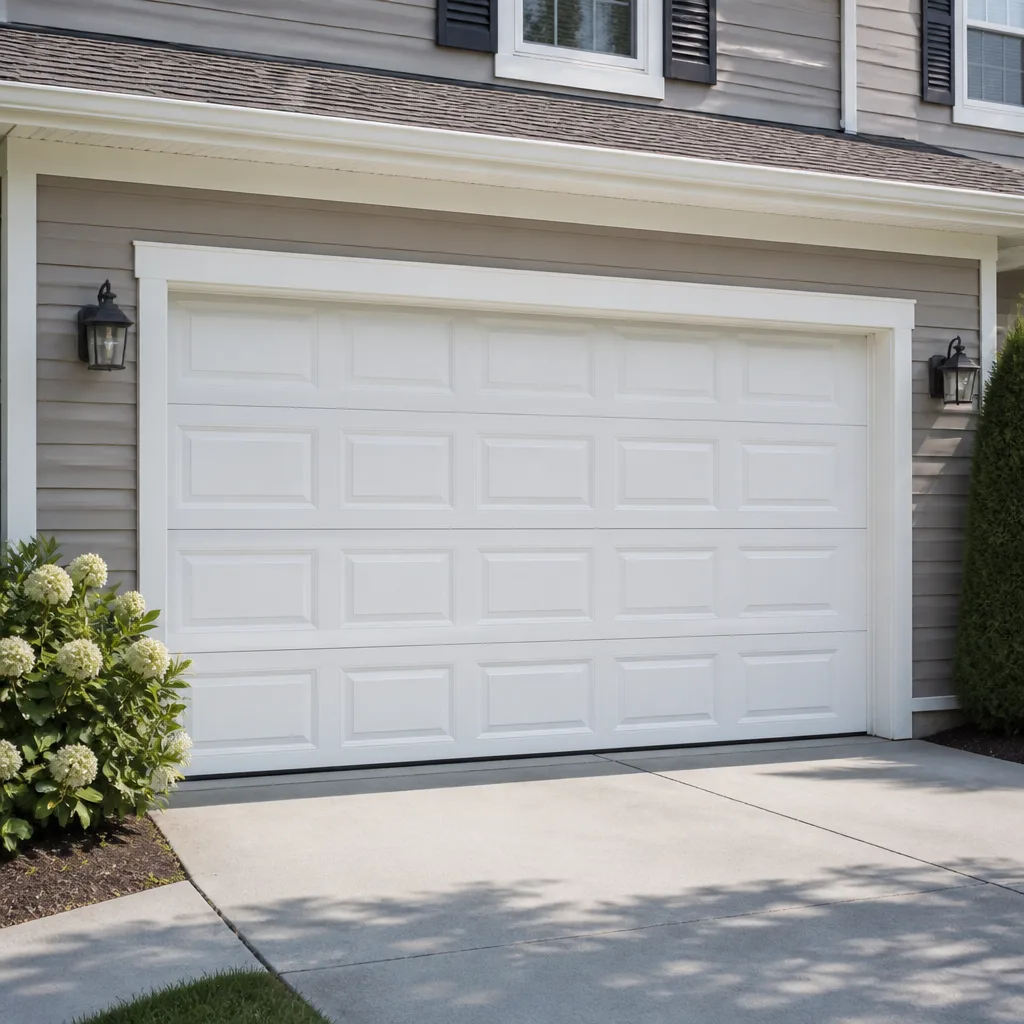 Raised-panel steel
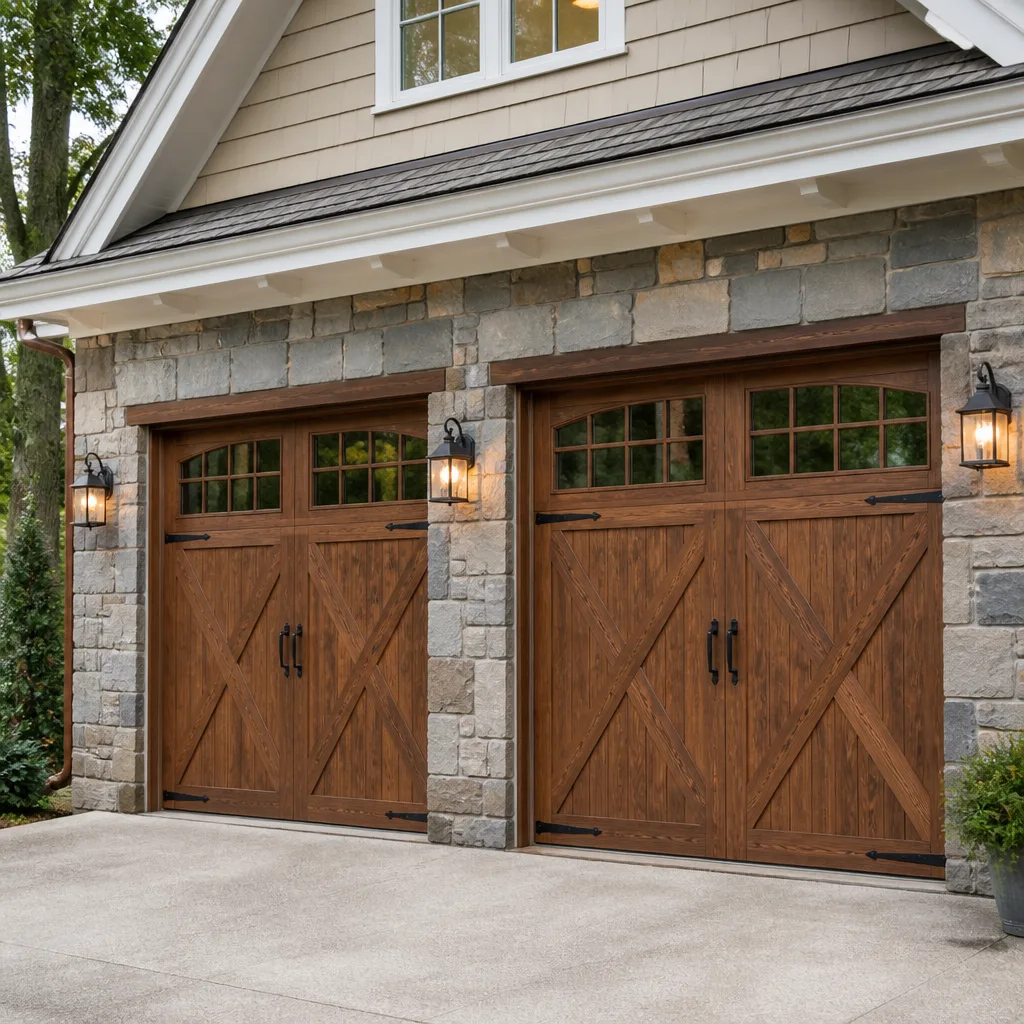 Carriage house
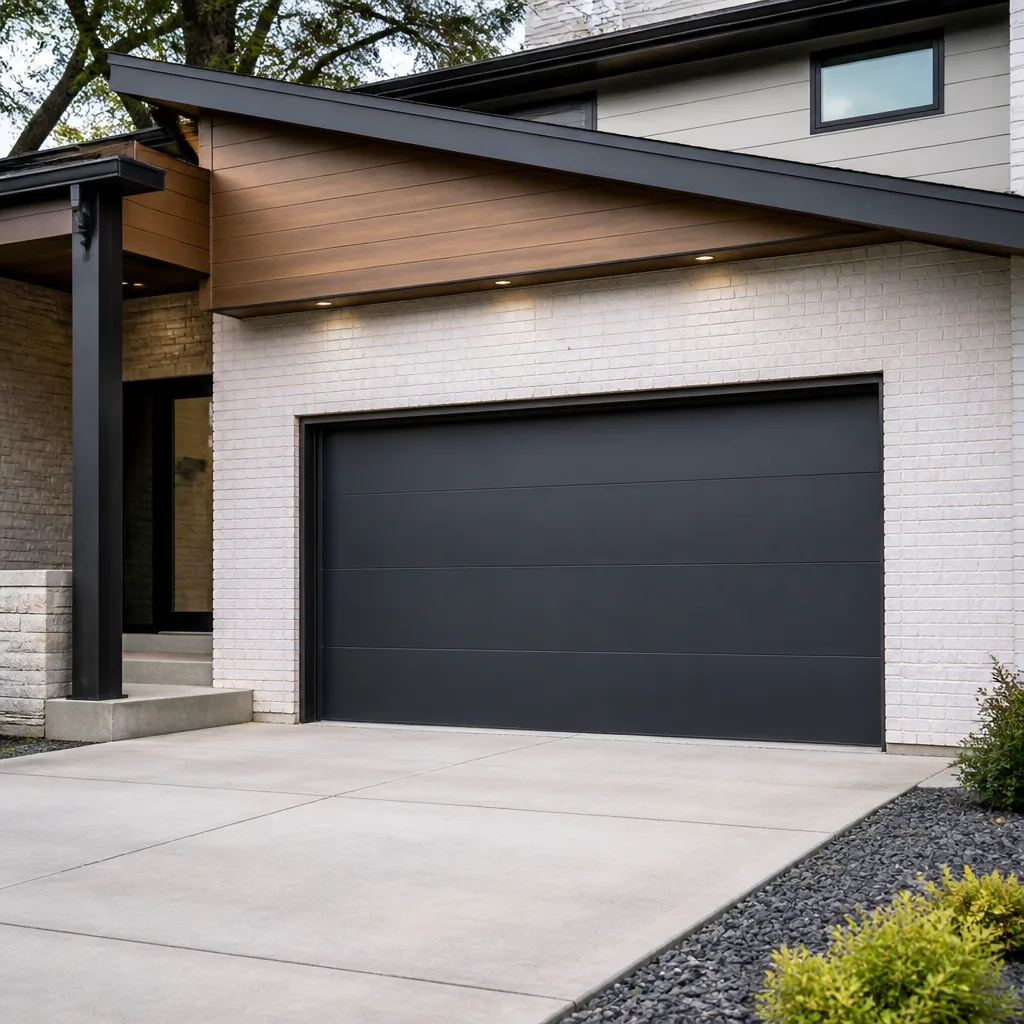 Modern flush
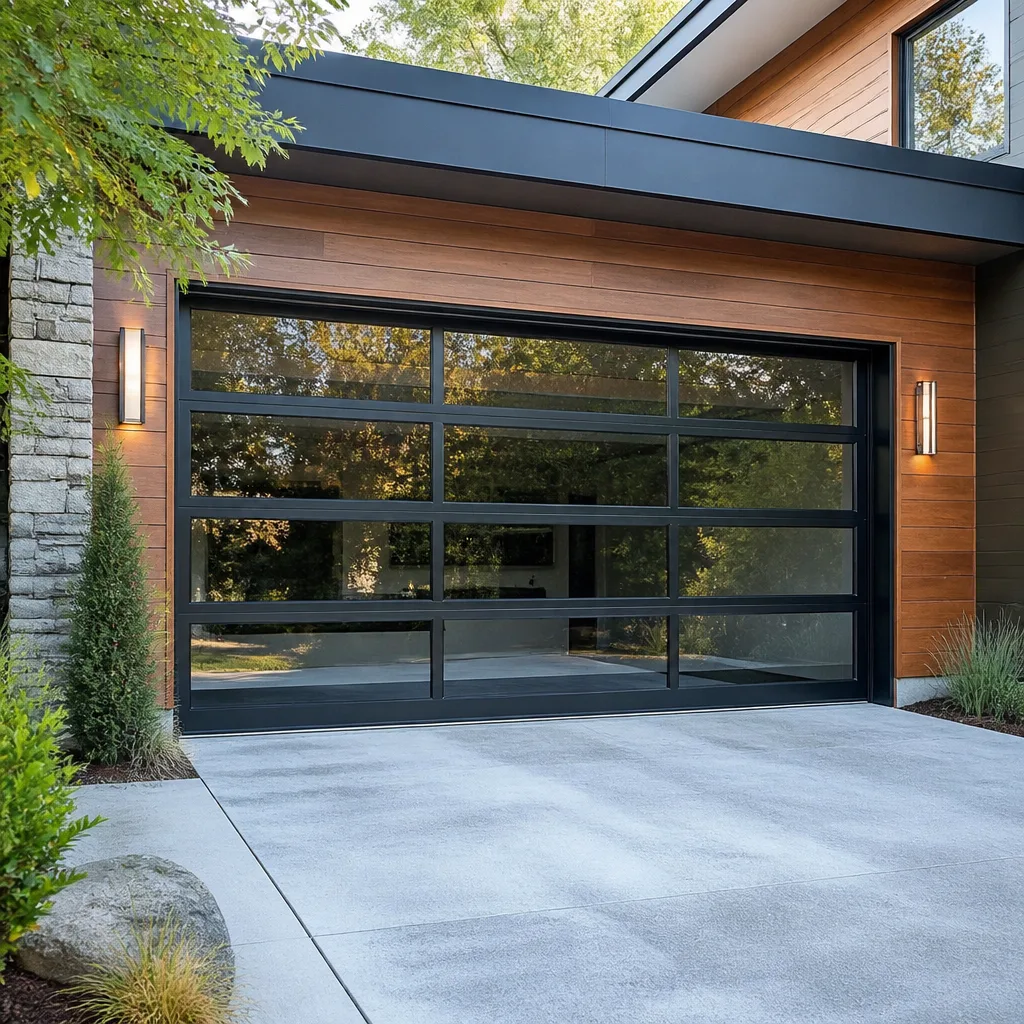 Full-view glass
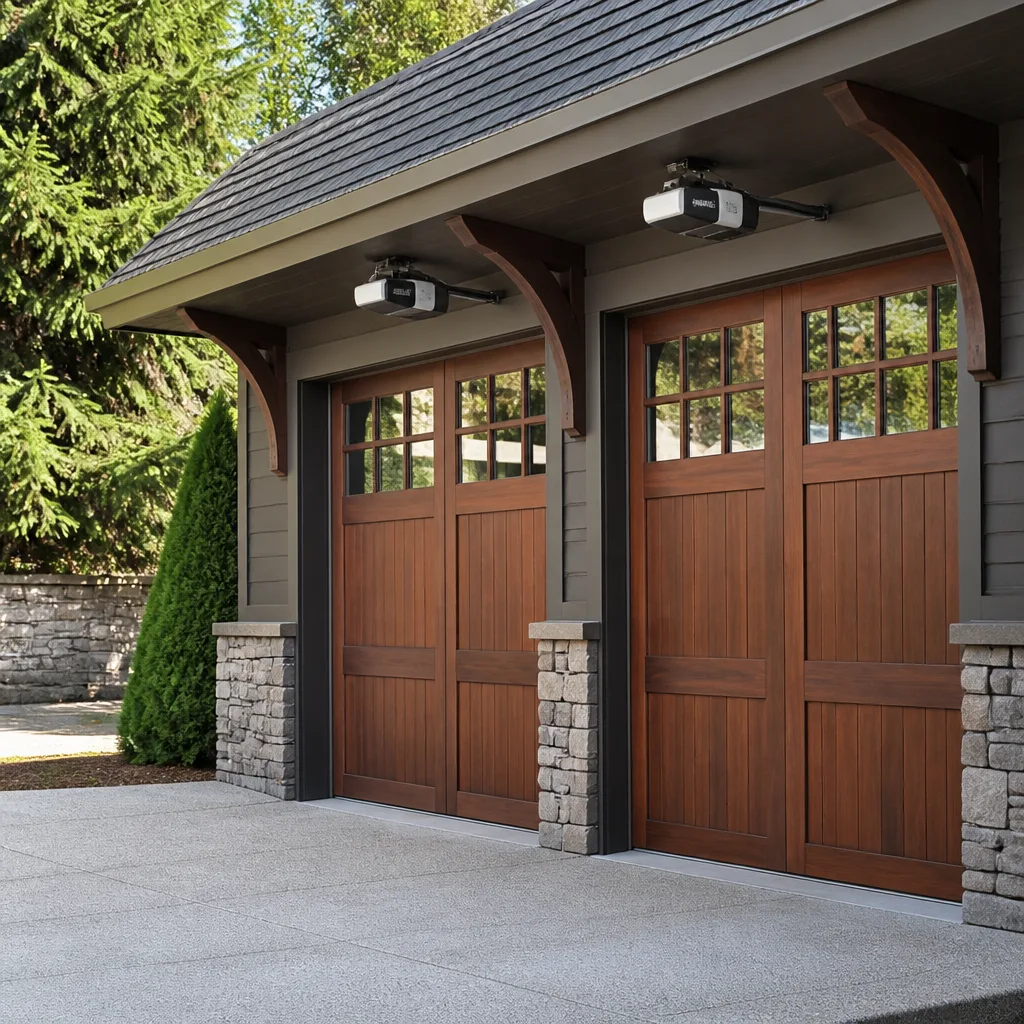 LiftMaster openers
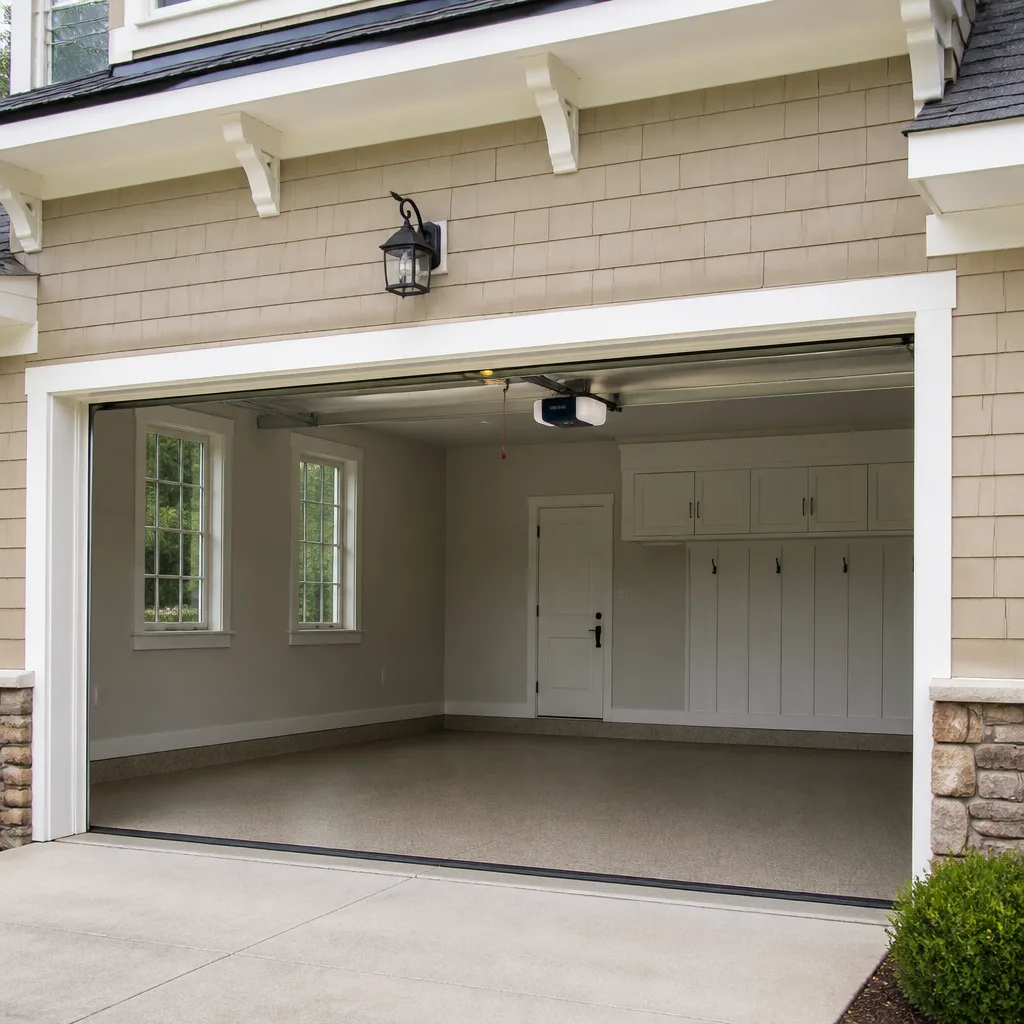 Chamberlain openers
Full 25-point door and opener safety check with every visit - springs, cables, rollers, tracks, and your LiftMaster or Chamberlain opener included
You get a price before we start. It does not change when the pro arrives.
Get your free estimateGarage Door Warning Signs: A South Boston Homeowner’s Reference Guide
A garage door that hesitates for half a second before it moves isn’t “getting old.” It’s telling you one of four specific things, and at least two of them turn into an emergency within a few months if you ignore them. Most garage door failures we see in South Boston didn’t come out of nowhere. They gave warnings first: a sound, a hitch, a sag, a wear pattern on the hardware. The homeowner just didn’t know what they were looking at. This guide teaches you to read your door the way a technician does, translating what you hear and see into a specific diagnosis. You’ll learn which symptoms mean “schedule a repair” and which mean “stop using the door right now.”
Quick Answer
The main garage door warning signs are grinding or popping sounds, jerky or uneven movement, a door that sags on one side, frayed cables, bent tracks, and a door that reverses or won’t close fully. Any popping or snapping sound, a snapped spring, or a visibly frayed cable means stop using the door now. Slower, subtler symptoms are usually a signal to book a repair before the door fails.
Styles & brands we work with
- Raised-panel steel
- Carriage house
- Modern flush
- Full-view glass
- LiftMaster openers
- Chamberlain openers
Table of Contents
- How a Technician Reads a Garage Door
- Sounds: Grinding, Squealing, and Popping
- Movement: Jerking, Slow Descent, One-Sided Sag
- Visual Signs: Rust, Fraying, Bent Tracks
- Warning Signs Caused by South Boston Conditions
- Opener Problem or Mechanical Problem?
- Monitor and Schedule vs. Stop Using the Door Now
- The Warning Signs That Void Manufacturer Warranties
How a Technician Reads a Garage Door
A garage door is a balanced system, not a motor-driven panel. Springs carry the door’s weight, cables hold the tension, rollers ride the track, and the opener does a small share of the lifting and the switching. When one part weakens, the other parts compensate until they can’t. That’s why the first symptom is often in the opposite end of the system from the actual problem.
When we look at a door, we work through the system in a fixed order:
- Balance. We disconnect the opener and lift the door by hand to about halfway. A properly balanced door stays where you let it go.
- Tension. We check the springs and cables for stretch, gaps, fraying, and uneven load between the two sides.
- Rollers and hinges. Worn rollers rumble and wander. Failed hinges let the panels twist out of line.
- Track. We check plumb, gap, and any point where a roller binds.
- Opener. Last, because a motor that strains is often reporting a mechanical problem rather than causing one.
That order matters because homeowners tend to start with the opener. A door that opens halfway and stops looks like a motor issue, but the motor is usually protecting itself against a load it can’t lift. Read the system, and the diagnosis gets simple. In South Boston, where the housing stock ranges from triple-deckers to newer construction, the age mix of the hardware is wide, so the reading has to be done part by part rather than by assuming a single failure mode. Our technicians have up to 10 years of experience with this brand of diagnosis, which is what lets us skip the guesswork. This is Garage Door Repair South Boston territory: a single-trade focus, all garage doors, every service call.
Sounds: Grinding, Squealing, and Popping
Sound is the earliest warning your door gives you, and each kind of noise points at a different part.
- Grinding. Usually rollers that have worn flat or bearings that have dried out. A rough, grinding sound also comes from a track that’s out of alignment and scraping a roller. It’s a monitor-and-schedule sound: fixable, but it gets worse.
- Squealing. Metal on metal with no lubrication, often hinges and rollers. High-pitched and steady squealing can also come from the opener gear or a belt under strain, especially in older units.
- Popping or snapping. Treat this one differently. A loud pop from the header area is often a spring failing or about to. If you hear a snap and the door suddenly feels very heavy or won’t open at all, stop using the door. Springs are under extreme tension, and a broken one can be dangerous.
- A single loud bang. Frequently a torsion spring breaking. The door may still open a foot or two, then stop. Stop there.
One more sound deserves its own mention: a door that thumps or rattles once and then runs quietly can be a loose hinge or a loose panel bolt. It’s the kind of thing that doesn’t fail today but works a screw loose over months. If you’re in South Boston and hearing a new sound from the door, note what part of the door it comes from: the header, the track, the panels, or the opener rail. That detail is the difference between a fast diagnosis and a wasted visit.
We’d rather teach you to listen than to ignore. A grinding roller is cheap to fix. A grinding roller that chews a track is not. If the sound is new or growing, it’s worth booking a look before it turns into a bigger repair.
Movement: Jerking, Slow Descent, One-Sided Sag
Movement tells you about balance and tension, arguably the most important part of the system. Here’s what to watch for.
- Jerking or stuttering. The door moves in small hitches. Common causes are a binding roller, an out-of-line track, or a spring that has lost some of its lift on one side. Jerking is a schedule-a-repair sign, unless the door also stops and reverses.
- Slowing in the last foot of travel. Mechanical binding, often a track that’s slightly out of plumb.
- Slow descent on close. If the door falls faster than it rises, the balance is off. Springs are doing less lifting than they should, and the motor is working harder to control the drop. Sometimes it’s a sensor or safety-setting issue with the opener. Look at the door first, the motor second.
- One-sided sag. One side of the door sits lower than the other, or a panel edge visibly dips. This points to a broken or weakened spring or cable on that side. A sagging door on one side shouldn’t be forced. It can twist the panels and bind the track.
- A door that won’t stay up. Lift it to the halfway point by hand. If it wants to fall, the springs have lost tension. That’s a balance failure, not an opener problem.
For South Boston homeowners, movement symptoms often show up on a shorter timeline than they do for a door on a sheltered slab. An unheated garage lets the door expand and contract with the daily temperature swing, and the hardware takes the strain. If your door gets stiff in the morning and eases up later, that’s the system telling you the balance is drifting.
Visual Signs: Rust, Fraying, Bent Tracks
Some warning signs are quiet and easy to miss because they show up on the parts you don’t look at. Take a walk around the inside of the door with a light once a season.
- Frayed cables. Look at the steel cables running along the side of the door. Any broken strand, fraying, or “fuzziness” on the cable is a stop-using sign. Frayed cables are under tension and can snap, and they are a trained-professional job, not a homeowner fix.
- Rust patterns on hardware. Rust on hinges and rollers usually means moisture accumulating in the garage. A thin film on a hinge pin causes the screech and the sticking. Rust that has started eating into the spring hardware is worse.
- Bent or bowed tracks. Tracks should be straight and plumb. A slight bow near the bottom of the vertical section is common after a door gets bumped. A track that’s bent where the door is running will scrape the door every cycle.
- Gaps between the panel and frame. Weatherstripping that’s shrunk or fallen away lets weather in and lets the door rattle.
- Bent hinges. A twisted hinge tells you the panels are fighting each other and the door is out of line.
- Scrape marks on the track. Fresh metal shaved from the track means a roller is binding and the door is dragging.
When you find one of these, note where it is. If a visual sign turns out to be a frayed cable or a broken spring, do not attempt the repair yourself. Springs and cables are under extreme tension and a trained professional should handle them. We see this as a core part of the job, and it’s the reason our brand of specialization exists.
Warning Signs Caused by South Boston Conditions
Garage doors don’t wear evenly across the country. The local conditions do their own kind of maintenance on the system, and a South Boston door shows a few patterns in particular.
- Moisture-driven rust on hardware. Snowmelt and rain puddling in a garage, plus a heated house on one side and an unheated garage on the other, makes hardware rust faster than you’d expect. Hinge pins and roller axles are where it starts. Watch for a brown stain below the hinge where it meets the panel.
- Frost heave and track gaps. A slab that rises and falls with the freeze-thaw cycle can push a track out of plumb, leaving a gap at the floor. If the bottom seal keeps pulling away on one side, or the door doesn’t sit level on the ground, the slab is likely moving under it.
- Weatherstripping failure after a cold stretch. The bottom seal gets stiff and brittle in a hard freeze, then cracks. A seal that lets daylight through along the floor is failing. Cold-weather seals age faster than warm-weather ones.
- Temperature swings and spring fatigue. The door’s springs work harder to lift in the cold and can lose a little tension on warm days. A door that struggles for a few weeks and then eases is showing a spring that’s on its way out.
A South Boston door that’s exposed to wind and snow gets more stress at the bottom of the track, so the first place to look for local damage is where the door meets the floor. If you’re seeing more than one of these at once, that’s a good time to call. We can work with 8 of the industry’s leading brands – LiftMaster, Chamberlain, Genie, Clopay, Amarr, Wayne Dalton, Craftsman, and Raynor – which means a specific door gets a specific fix. If you’re building a maintenance habit, the garage door repair page has the service side of the picture.
Opener Problem or Mechanical Problem?
This is the diagnosis homeowners most often get wrong before they call us. A straining motor is usually a symptom of a mechanical problem, not the problem itself. Here’s a quick way to tell.
- Pull the emergency release. With the door disconnected, try lifting it by hand to about halfway. If it’s heavy, won’t stay up, or binds on the way, the problem is mechanical: springs, cables, rollers, or track. The opener is reporting, not causing.
- If the door moves smoothly by hand but the opener strains, reverses, or stops, the issue is more likely the opener, a sensor, or a signal problem.
- Watch the safety sensors. A door that closes partway and reverses is often tripping a sensor. Check for something in the beam, an unplugged sensor, or a misaligned lens. That’s an opener-side fix.
- Listen to the opener rail. A clicking or a loud strain from the opener with a heavy door behind it is the opener telling you the door’s too much for it right now.
When in doubt, call before you buy a new opener. In our experience, an opener that gets blamed for a broken spring is a common story, and the replacement motor solves nothing. Our garage door opener repair covers both smart-enabled and legacy systems, so the diagnosis can happen at the right end of the system. We know your brand, and we check the mechanical side first.
Monitor and Schedule vs. Stop Using the Door Now
Not every symptom needs a same-day call. This chart shows the split clearly. Ignoring the first group is how a smaller fix becomes a bigger one. Using the second group is how people get hurt.
- Monitor and schedule: squealing or grinding on movement; slower opening in cold weather; a single loose hinge or bolt; a weatherstripping gap; a slight rust film on hardware; a door that sounds rough but still moves smoothly by hand.
- Stop using the door now: a loud pop, snap, or bang; a door that won’t open at all after a sound; a visibly frayed cable; a door that sags on one side; a door that won’t stay up when lifted by hand; a bent track that’s grabbing a roller; a door that falls fast on close.
Between those two columns there’s a middle zone: a door that works but reverses or stops on the way down. If it’s clearly a sensor, that’s quickly checked. If it’s not clearly a sensor, book a look. Don’t stretch your own repair window, because a door that binds can bend a track and take a simple roller fix with it.
For a South Boston door in the stop-using column, the safest next step is a call, not another open-and-close. We answer 24/7. Fast dispatch from 7am to 7pm, Sunday through Friday. Call (844) 662-2561 and tell us what you saw and heard.
The Warning Signs That Void Manufacturer Warranties
Garage door brands expect a door to be maintained. When a warning sign is ignored past a certain point, the failure that follows can read as misuse rather than a defect, and that’s where warranty claims get tricky. The rule of thumb: fix the small thing before it becomes a big thing.
- LiftMaster and Chamberlain systems. Opener warranties generally expect the door to be balanced and the safety reverse to work. A door left out of balance for a long stretch can shorten the opener’s motor life and put the claim in question. A grinding roller left alone can chew a track that a warranty won’t cover.
- Clopay doors. Panel and finish warranties often depend on proper use and installation. A door forced past a bent track can damage the panels in ways that read as impact damage, not a defect.
- Wayne Dalton doors. Balance and hardware wear matter. A door operated with a dragging track can twist panels and the claim becomes about wear. Fixing the roller is cheaper than arguing the point.
- Amarr and Raynor doors. Same principle: the warranty covers the product, not the consequences of running it out of balance for months.
We aren’t the warranty provider and we don’t decide claims, so read your own brand’s terms. But the habit that protects you is simple: a new sound or a stiff movement is the time to book the repair. On the opener side, the garage door opener repair link above covers model-specific checks. When the door itself needs replacement rather than repair, garage door installation is where the brand-match conversation starts.
Common Mistakes to Avoid
- Running the opener to “test” a heavy door. Every cycle with a failing spring forces the motor to lift weight it can’t handle. Stop using the door and call.
- Trying a spring or cable repair yourself. Springs are under extreme tension and cables can snap. A trained professional should handle both, every time.
- Replacing the opener before diagnosing the door. A straining motor is usually reporting a mechanical problem. Check the door’s balance by hand before blaming the motor.
- Ignoring a grinding roller because the door still opens. The roller is cheap. The track it chews is not. South Boston freeze-thaw is hard on tracks, and a dragging door makes that worse.
- Spraying the whole mechanism to quiet a squeal. Lubrication helps hinges and rollers, but it won’t fix a broken spring or a bent track. Worse, a quiet door can hide a failing one. Check what the noise was pointing at.
- Skipping the annual visual walkaround. Five minutes with a light once a season finds frayed cables and loose hinges before they become repairs.
- Waiting for the “warm weather.” A South Boston door left with a cracked seal through a cold stretch also rusts. Catch the small problem on the schedule that doesn’t stretch into the next season.
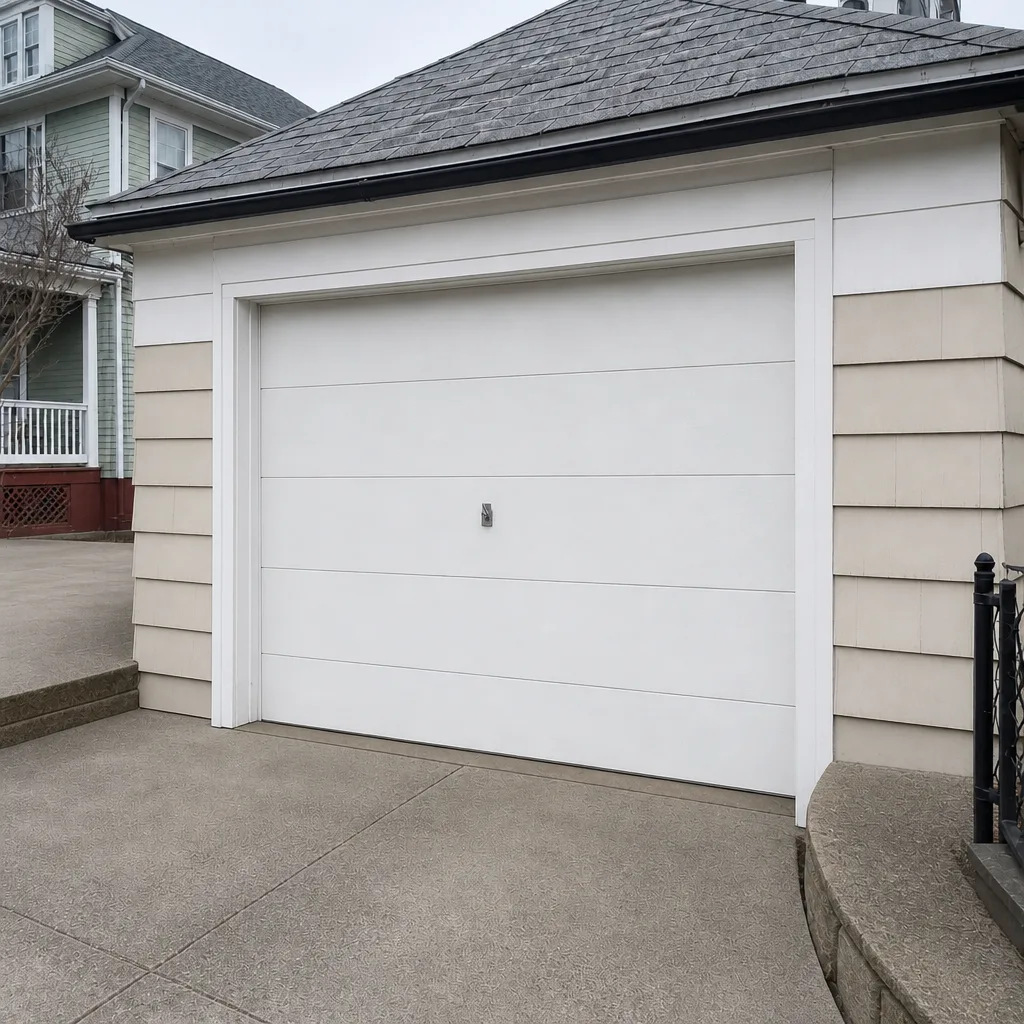
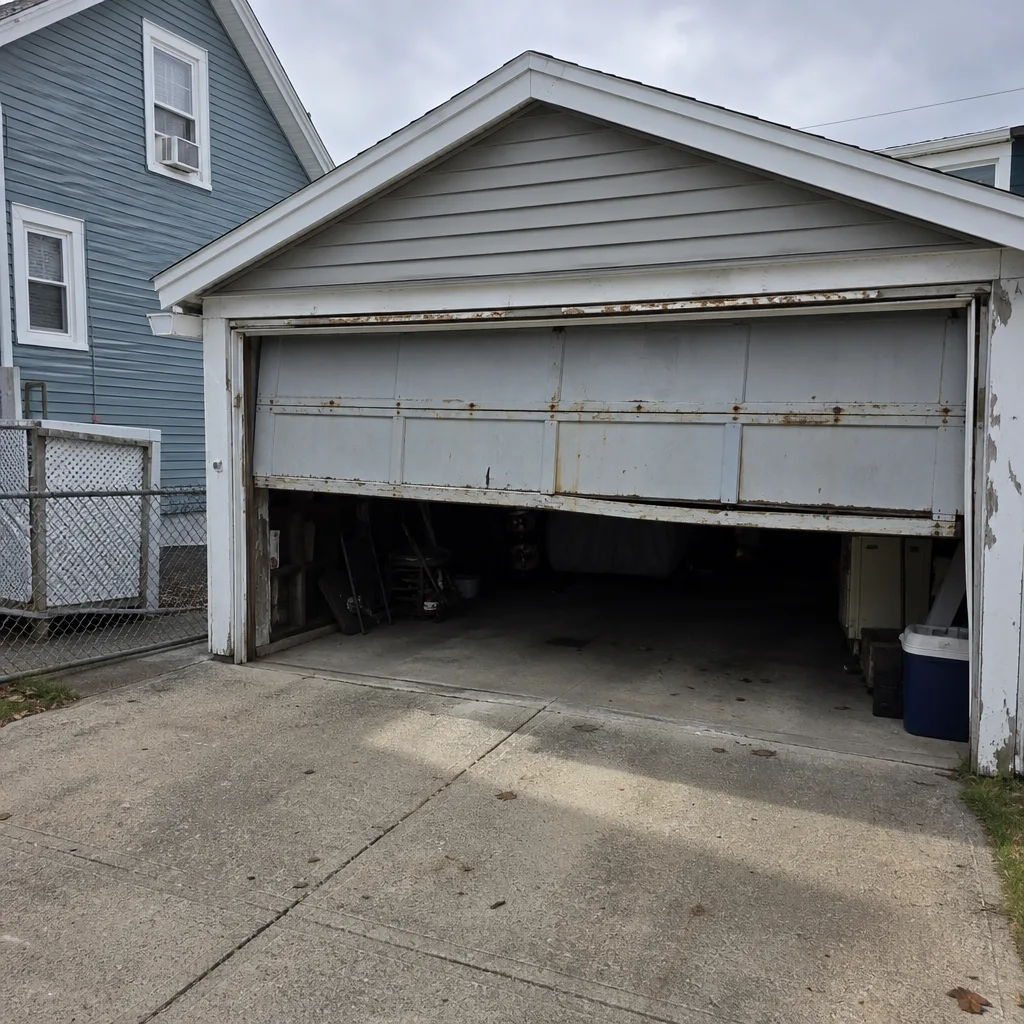
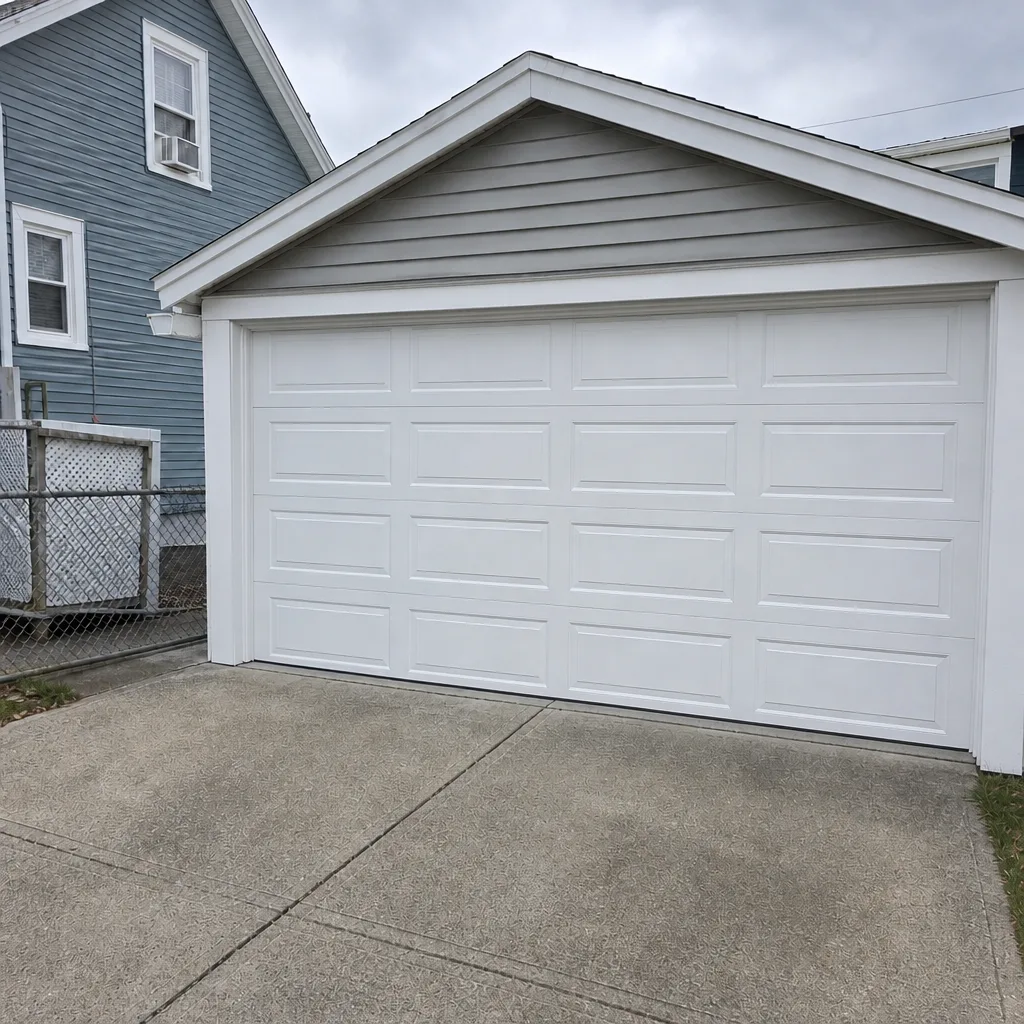
See the difference
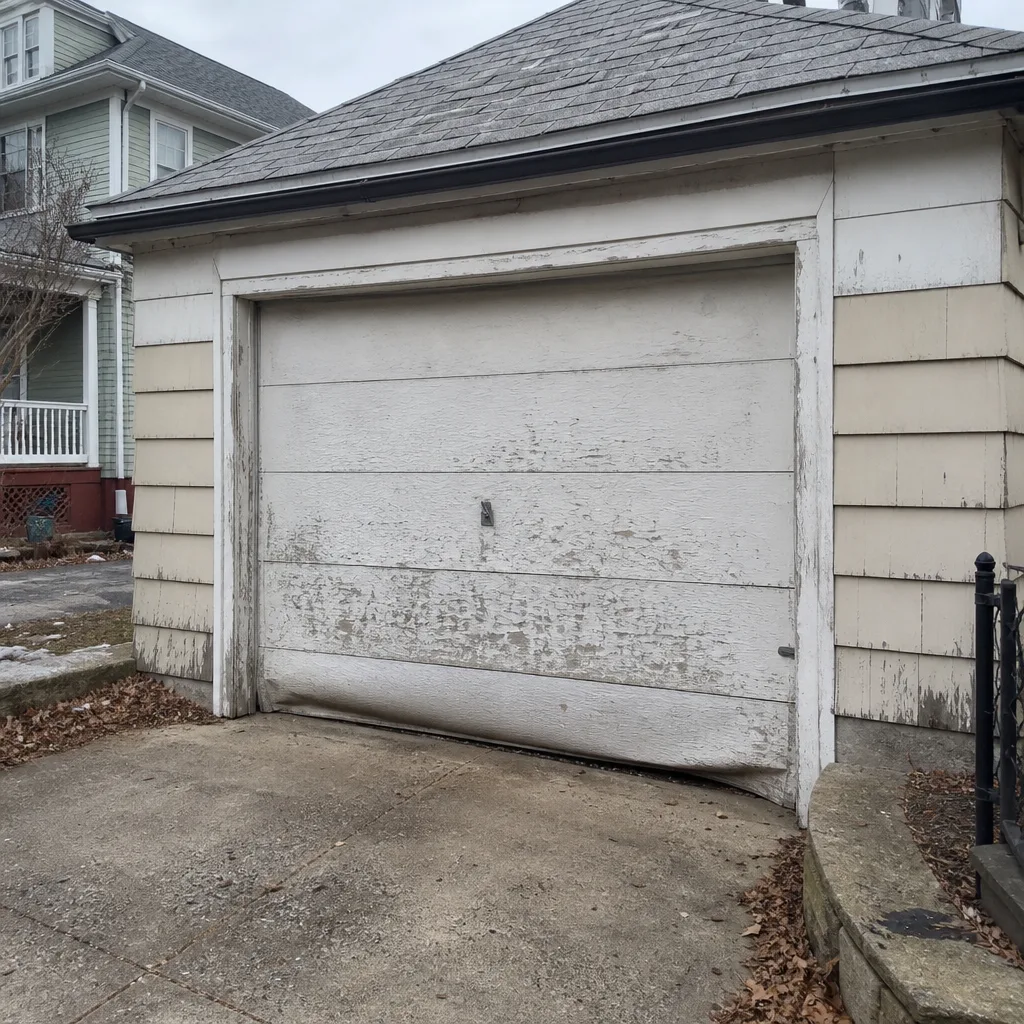 Before
 After
 Before
 After
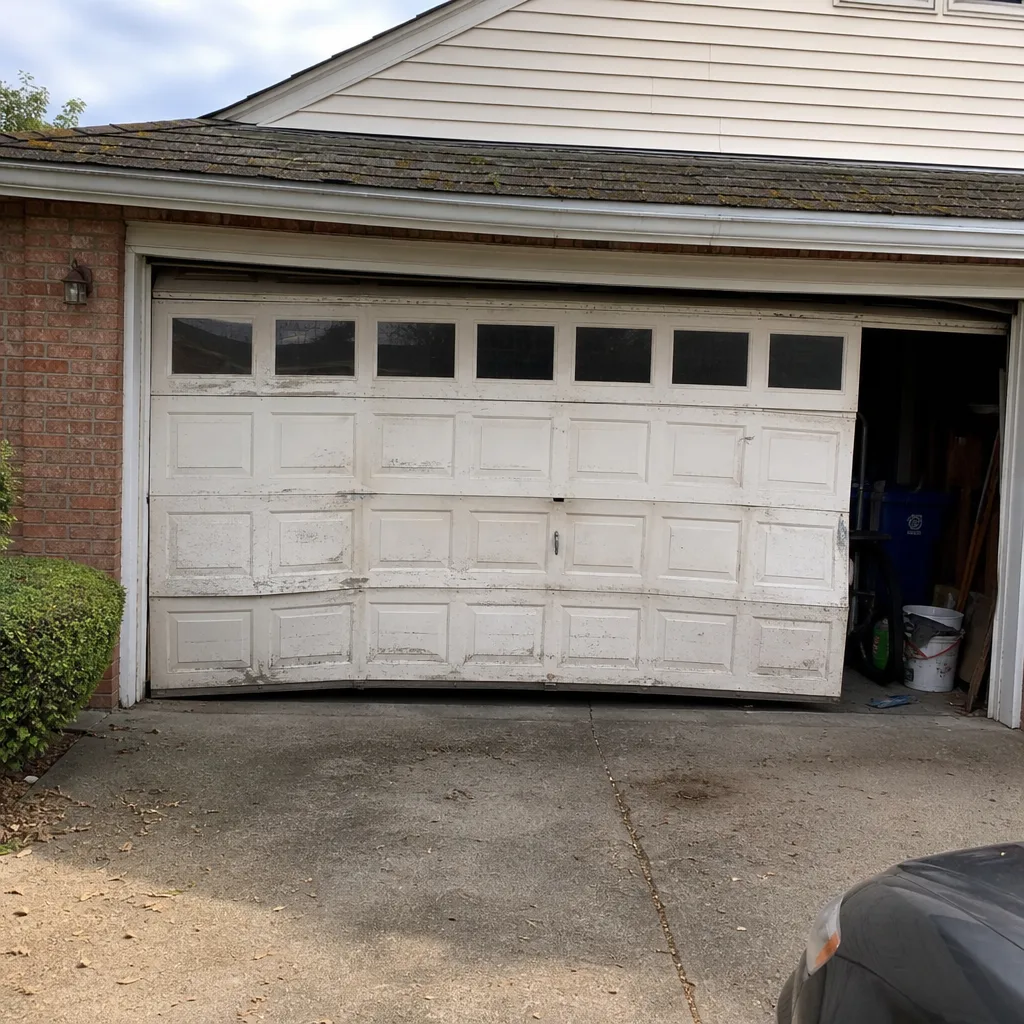 Before
 After
When to Call a Professional
Call when you hear a pop, snap, or bang, or the door stops moving after a sound. Call if a cable is frayed or a door sags on one side. Call if the door won’t stay up when lifted by hand, if the track is visibly bent where the door runs, or if the door falls fast on close. Those are the stop-using signs. On the softer side, call when a grinding or squealing sound has started, when the door jerks, or when you’ve noticed rust spreading on the hardware. Those are the monitor-and-schedule signs that get cheaper the sooner they’re looked at.
The written estimate sets the final price, so you know the number before any work starts. Garage Door Repair South Boston offers free estimates in South Boston. Call (844) 662-2561. We answer 24/7. Fast dispatch from 7am to 7pm, Sunday through Friday.
Frequently Asked Questions
A change in sound is usually the first warning: grinding, squealing, or a single pop from the header. Treat any new sound as the door telling you which part is struggling, and check it before the fix gets bigger. If the sound is a pop or snap, stop using the door and call (844) 662-2561. We answer 24/7.
A loud pop or snap, a frayed cable, a door that sags to one side, a door that won’t stay up by hand, or a door that falls fast on close. Those mean stop. The door is under tension it can’t safely hold. Call (844) 662-2561 for an estimate and describe what you saw.
Pull the emergency release and lift the door by hand to about halfway. If it’s heavy or won’t stay up, the problem is mechanical – springs, cables, or track. If it moves easily by hand but the opener strains, look at the opener and its sensors. Call (844) 662-2561 for a diagnosis; estimates are free.
Often, yes. A door that’s slower than it used to be, especially in cold weather, is usually showing a spring that’s losing tension or a track that’s binding. It’s a monitor-and-schedule sign, not an emergency, but book it before the balance drifts further. Call (844) 662-2561 to schedule a look.
The local professional we connect you with is licensed and insured as their state requires. Our technicians are trained on the major brands, with up to 10 years of experience. Call (844) 662-2561 to talk through what your door is doing and get a free estimate.
A visual walkaround with a flashlight once a season, plus any time you notice a new sound or stiffness. South Boston freeze-thaw and rust put more strain on the hardware than a warmer climate would. If the walkaround turns up a frayed cable or a broken spring, stop and call (844) 662-2561.
The Bottom Line
Most garage door failures start as a warning you can hear or see. Learn the sounds (grinding, squealing, popping), the movements (jerking, a slow descent, a one-sided sag), and the visual signs (frayed cables, bent tracks, rust on hardware). Split them into two groups: monitor and schedule, or stop using the door now. Check your door by hand once a season, and treat a South Boston freeze-thaw gap or a rusted hinge as a real warning rather than a small nuisance. The pattern is simple: the sooner the small fix, the cheaper the whole thing.
Need a Hand Reading the Signals?
If your door is doing something on this list and you’re not sure which column it falls into, call us. Garage Door Repair South Boston offers free estimates in South Boston. Call (844) 662-2561. We answer 24/7. Fast dispatch from 7am to 7pm, Sunday through Friday. We’ll look at the whole system, from opener to panel to spring, and give you a written price before any work starts.
Written by the team at Garage Door Repair South Boston.